
July 31, 2026
By midsummer, many Florida landscape borders already begin showing stress.
Flower edges fade near roadways.
Beds thin out beside sidewalks.
High-maintenance borders start looking exhausted under heat, rainfall, and constant growth pressure.
That is especially common throughout Gainesville and Alachua County where landscapes must continuously handle:
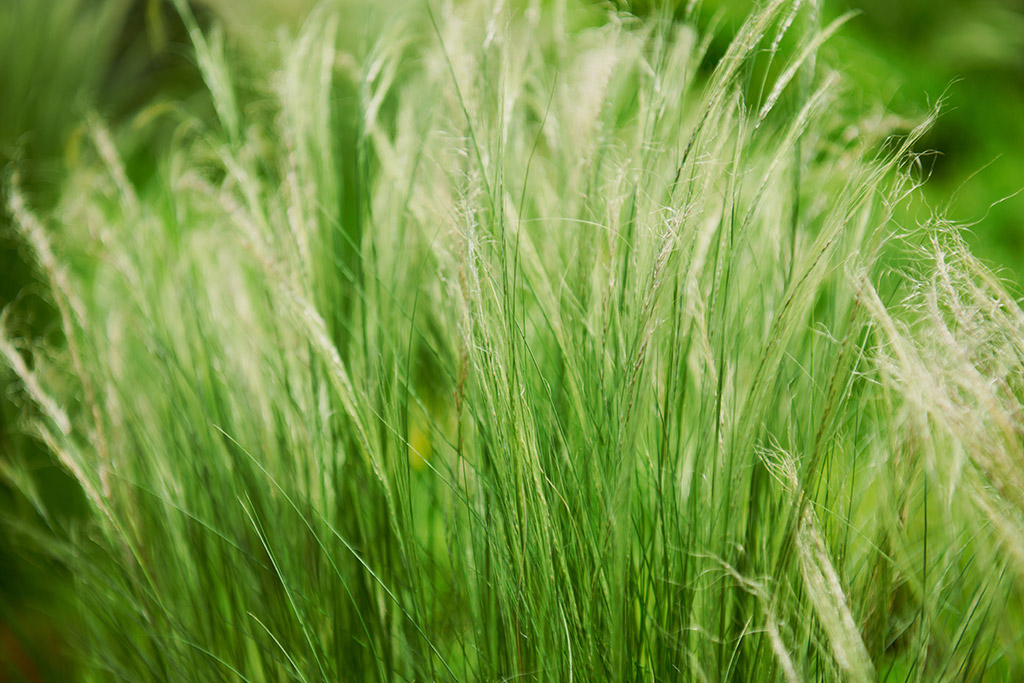
One of the biggest shifts happening in Florida landscape design right now is the move toward plants that create:
...without requiring constant replacement or aggressive maintenance.
That is one reason ornamental grasses have become increasingly popular across:
Because in many cases, the strongest landscape borders are not the ones packed with the most plants.
They are the ones designed with enough spacing, texture, and movement to still look intentional years later.
One of the most common issues we see throughout Gainesville is border beds installed too tightly for immediate visual fullness.
At first, everything looks lush.
A few growing seasons later:
In Florida's long growing season, overcrowding happens fast.
That is one reason ornamental grasses work so well in many modern landscapes.
Instead of creating dense, rigid masses, they often provide:
...while still allowing the landscape to breathe.
Especially around:
ornamental grasses often create a cleaner and more modern look than heavily packed shrub beds.
Few plants have become more associated with modern Florida landscaping than muhly grass.
And for good reason.
Throughout most of the year, it maintains a clean green clumping form with very little intervention. Then during fall, it produces its signature pink bloom display that creates one of the most recognizable seasonal moments in Florida landscapes.
In Gainesville landscapes, muhly grass performs especially well:
One reason it performs so consistently is because it naturally handles:
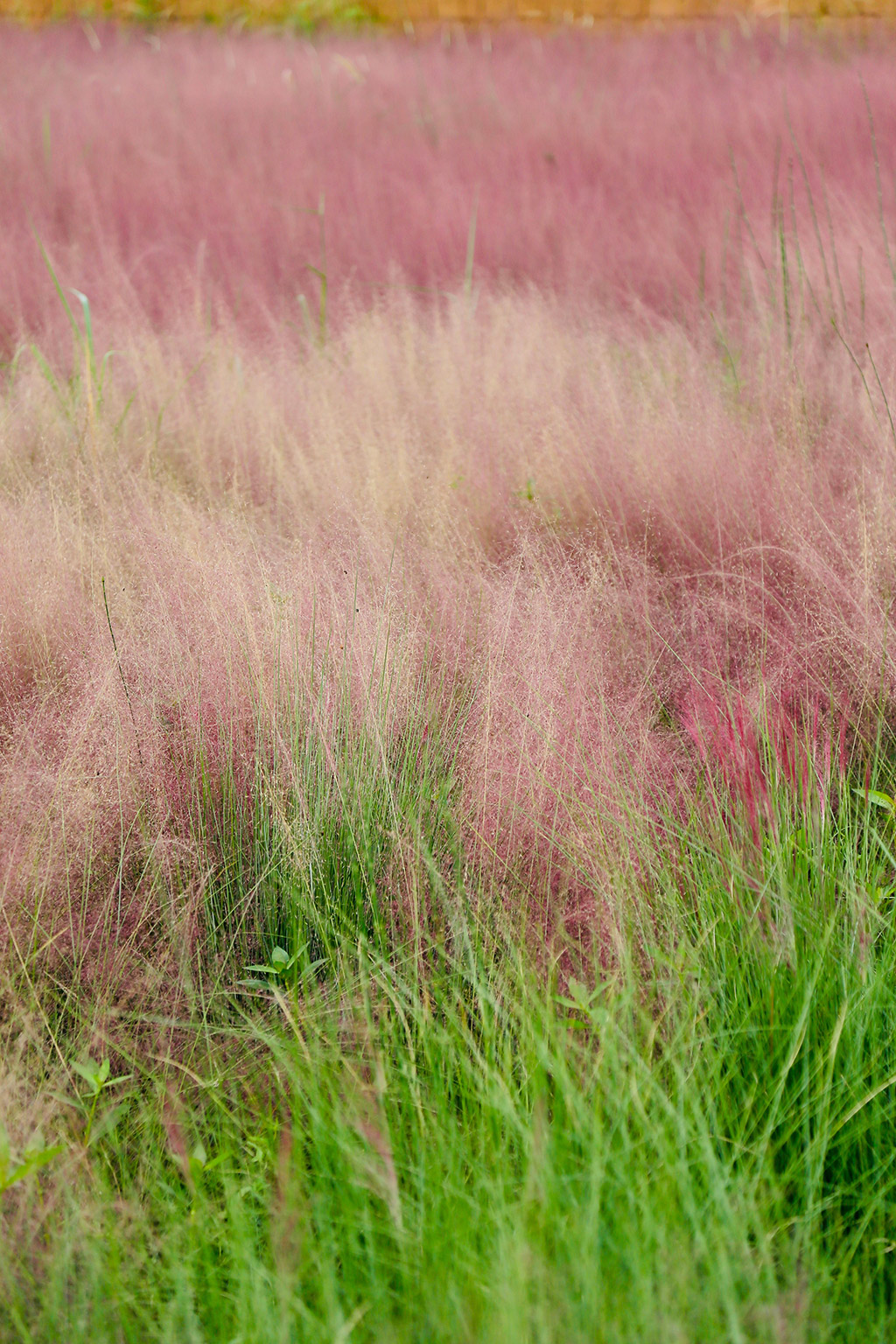
But spacing matters heavily.
We commonly see muhly grass installed too closely together near entrances and sidewalks, eventually creating overcrowded masses that lose their natural rounded shape.
The strongest installations usually allow each clump enough room to fully develop.
One thing ornamental grasses do exceptionally well is soften hardscape-heavy environments.
Straight sidewalks, curbs, retaining walls, and signage can sometimes make Florida landscapes feel overly rigid or commercial.
Grasses help break that up.
In afternoon light and Florida breezes, ornamental grasses create movement that many traditional hedge borders simply cannot replicate.
That softer movement is one reason grasses have become increasingly popular around:
Instead of feeling boxed in by dense shrub rows, the landscape feels:
That distinction matters more than many people realize.
Some borders need more visual weight than smaller edging plants can provide.
Dwarf Fakahatchee grass works especially well where landscapes need:
Throughout Gainesville, this grass performs well around:
Its arching form blends naturally into Florida landscapes without feeling overly manicured.
And near mature live oak canopies, the softer texture often feels much more connected to the surrounding environment than tightly clipped shrub rows.
However, one mistake we frequently see is underestimating mature size.
Even dwarf varieties still require breathing room long term.
Many Gainesville landscapes struggle beneath mature trees where:
Dwarf mondo grass continues to remain popular because it handles:
Its slow-growing habit also helps maintain:
It is not a fast filler plant.
But for shaded Gainesville borders where a clean low edge matters, it remains one of the more dependable options available.
Not every landscape border needs sharp structure.
In fact, many of the strongest Florida-friendly landscapes feel more relaxed and environmentally connected.
Purple lovegrass and Elliott's lovegrass work especially well in:
Their lighter texture creates:
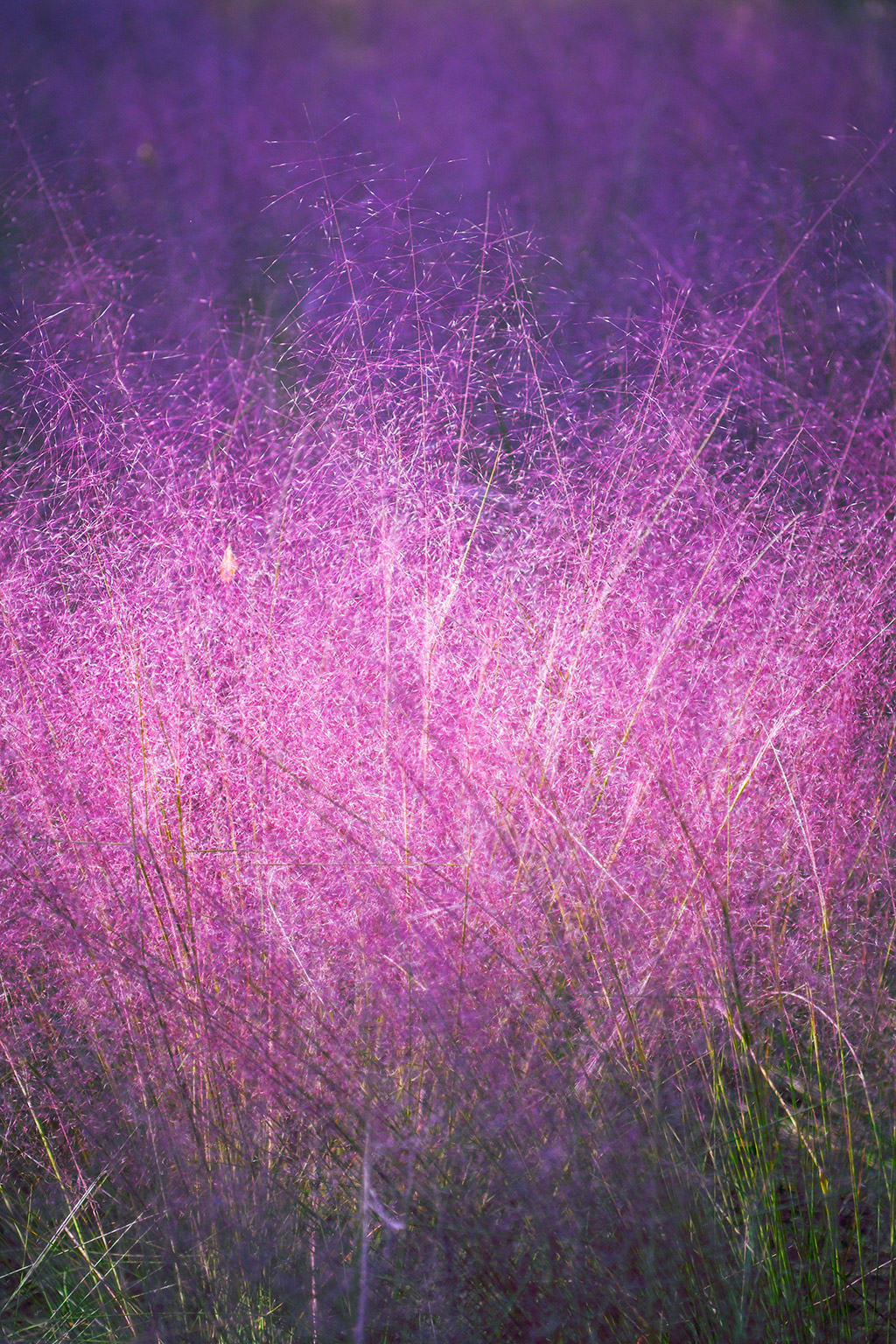
This works especially well around Gainesville retention ponds, stormwater swales, and larger HOA properties where heavily formal borders may feel too rigid against the surrounding environment.
The key is understanding that these grasses are meant to move naturally.
Trying to force them into tightly manicured hedge-style shapes usually works against their best qualities.
Despite the name, blue-eyed grass is actually part of the iris family rather than a true grass.
Its value comes less from coverage and more from detail.
The smaller blooms and fine texture work especially well:
This is not typically a plant for creating dense continuous borders.
Instead, it works best as part of a layered Florida-friendly planting approach where subtle flowering texture matters more than visual mass.
One major reason ornamental grasses continue gaining popularity throughout HOA and commercial landscapes is long-term maintenance efficiency.
Compared to high-turnover flower beds or aggressive shrub masses, many grasses generally require:
That does not mean they are maintenance-free.
But properly selected grasses often age more gracefully than landscapes requiring constant correction.
Especially throughout Gainesville where:
Some of the most common issues we encounter include:
In many cases, ornamental grasses help reduce those problems by creating:
At Allegiance Landscaping, ornamental grass recommendations are approached from both a design and long-term functionality perspective.
For Gainesville and Alachua County properties, our team evaluates:
Our goal is to help properties create landscapes that remain:
This proactive approach reflects one of our core company values:
Own Every Detail.
Because often, the difference between a landscape that feels professionally designed and one that feels overcrowded comes down to choosing plants that actually fit the space years later.
Ornamental grasses continue becoming more popular throughout Gainesville landscapes because they often provide:
...without the constant replacement cycles common with many high-maintenance border plants.
When selected properly for Florida conditions, ornamental grasses can help landscapes feel:
Because in Florida landscapes, the strongest borders are often the ones designed with enough simplicity to let texture, spacing, and movement do the work naturally.