
May 8, 2026
Some of the most beautiful Florida landscapes are not necessarily the ones with the most flowers.
They are usually the ones that still feel healthy, balanced, and visually alive in the middle of August - long after many heavily structured flower beds have already started struggling.
Across Gainesville and Alachua County, more landscapes are beginning to shift away from rigid flowering rows designed around constant seasonal perfection and toward softer planting systems that work more naturally with Florida's climate.
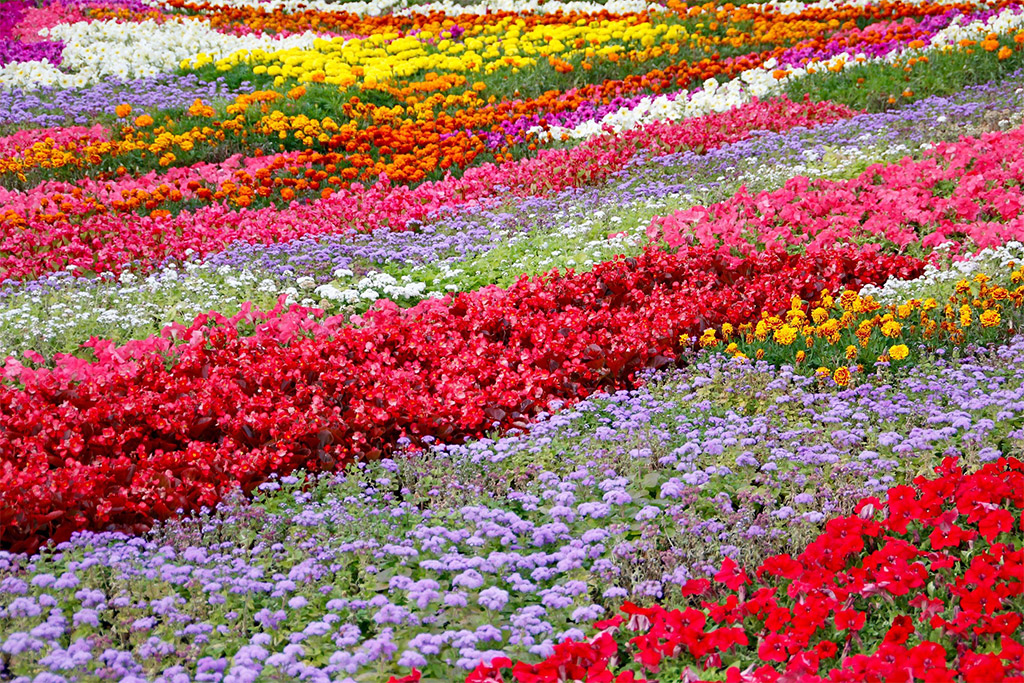
Because Florida landscapes experience pressures many ornamental beds were never truly designed for:
That does not mean traditional flowering shrubs like Knockout roses cannot work in North Florida.
They absolutely can under the right conditions with proper spacing, airflow, and maintenance.
But many Gainesville landscapes are beginning to prioritize something different:
Because ultimately, the strongest Florida landscapes are usually the ones designed around how this climate actually behaves - not how we wish it behaved.
Many flowering landscapes throughout Gainesville are initially designed for immediate visual impact.
At installation, tightly organized flower rows often look:
Then Florida summer arrives.
As humidity builds and rainfall intensifies, those same beds often begin experiencing:
We frequently see these problems worsen near:
The issue is not always poor maintenance.
Often, the landscape itself is simply working against the plants long term.
One of the biggest mistakes in Florida landscape design is forcing highly formal flowering systems into environments that naturally favor softer transitions, stronger airflow, and more adaptive plant layering.
One noticeable shift happening throughout Gainesville landscapes is the move toward flowering systems that feel:
Instead of relying entirely on dense rows of flowering shrubs, many landscapes now combine:
That balance often creates outdoor spaces that feel calmer and more environmentally integrated over time.
Plants like plumbago are becoming increasingly popular because they create softer flowering texture without making landscapes feel rigid or overcrowded.
Its flowing blue blooms work especially well around:
And because plumbago generally tolerates:
...better than many moisture-sensitive flowering shrubs, it often maintains cleaner long-term performance under Gainesville conditions.
In many Florida landscapes, softer flowering plants create a much more comfortable outdoor atmosphere than heavily maintained shrub rows constantly fighting humidity stress.
By late summer, many ornamental beds throughout Gainesville already begin looking fatigued.
But certain Florida-adapted plants thrive precisely during the conditions that stress other flowering systems the most.
Firebush is one of the strongest examples.
During periods when many flowering shrubs begin slowing down under:
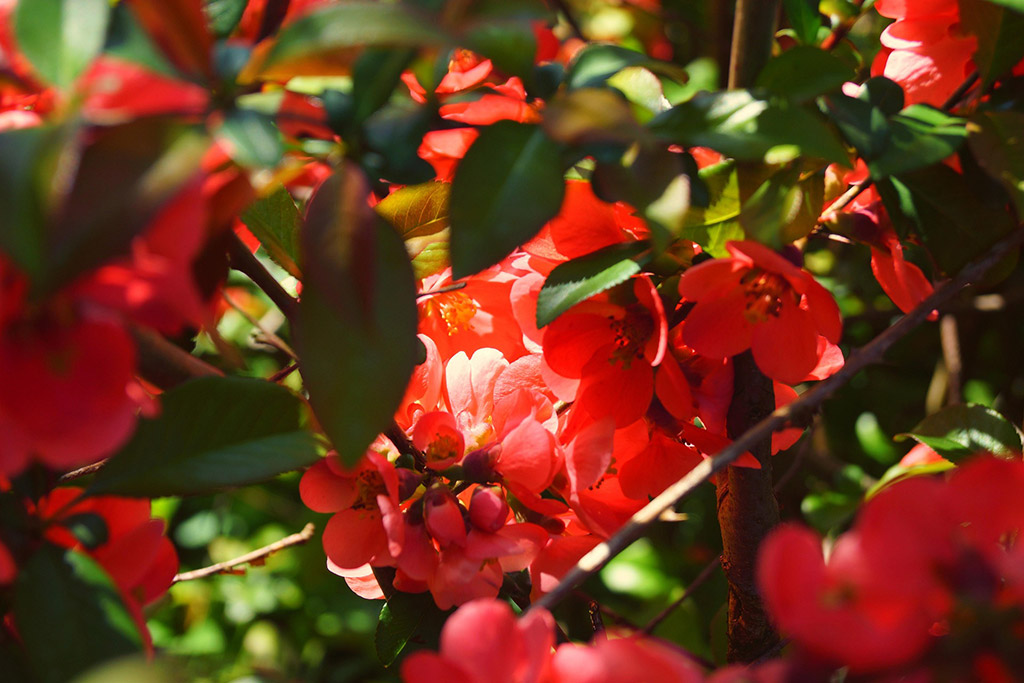
firebush often becomes even more vibrant.
Its orange-red blooms continue attracting:
...through some of the hottest months of Florida's growing season.
And unlike rigid flowering rows that require constant shaping to maintain appearance, firebush naturally fits into:
In afternoon light, softer flowering plants like firebush often create movement and seasonal energy that heavily structured beds simply cannot replicate.
One challenge many Gainesville properties face is limited planting space.
Traditional flowering shrubs eventually require substantial width once mature growth begins pushing into:
Coral honeysuckle solves a completely different landscape problem.
Instead of expanding outward aggressively, it creates flowering color vertically across:
That vertical layering often helps smaller Florida landscapes maintain:
...without overcrowding the ground-level planting beds themselves.
Its tubular blooms also create strong hummingbird activity throughout warm weather months while fitting naturally into Florida-style landscapes that prioritize layering instead of rigid plant massing.
The strongest Gainesville landscapes usually distribute flowering color across multiple heights and textures instead of concentrating everything into one dense row.
One misconception about pollinator planting is that it must feel:
In reality, many of the strongest Gainesville pollinator landscapes today combine:
Plants like native blue porterweed and scarlet sage work especially well in this type of design because they provide:
...while still integrating cleanly into professionally managed landscapes.
Blue porterweed performs especially well in sunny Gainesville environments where continuous flowering activity helps maintain visual movement through much of the warm season.
Scarlet sage creates a different effect entirely.
Its softer flowering habit blends naturally into:
Rather than forcing perfect uniformity, these plants help landscapes feel more connected to Florida's natural rhythms and seasonal patterns.
Some flowering plants peak early in the season, then slowly decline once environmental pressure intensifies.
Pentas often continue performing long after many ornamental beds begin struggling through Gainesville summer conditions.
That consistency is one reason they remain widely used around:
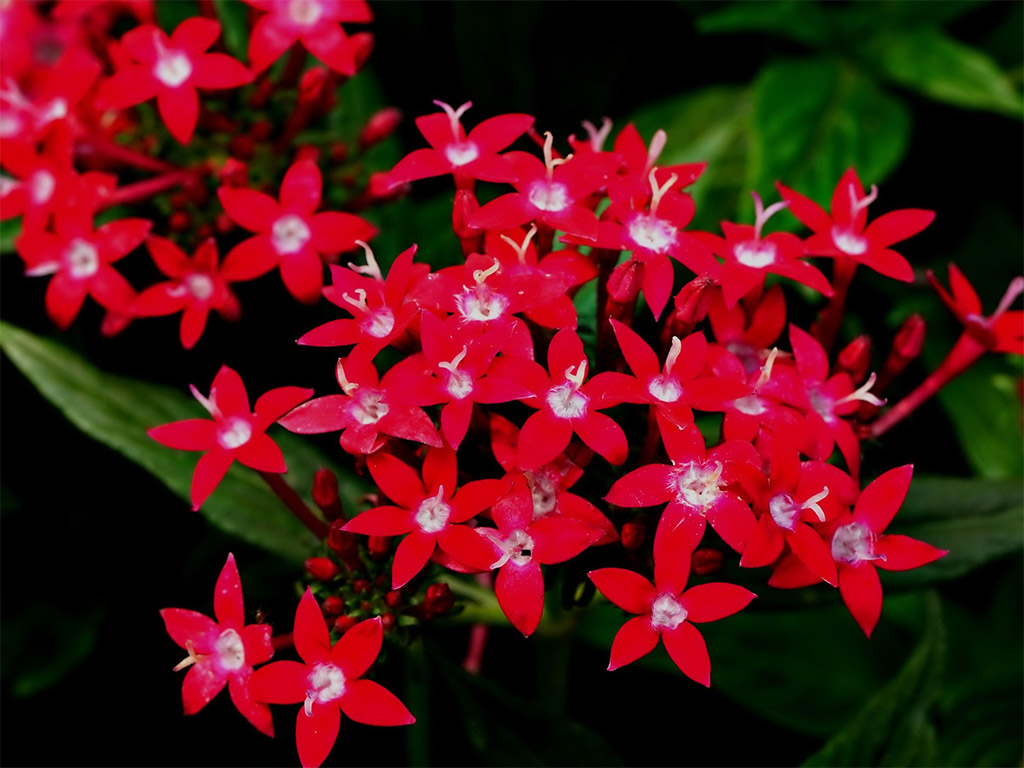
Their extended flowering period helps landscapes maintain visual energy during the exact part of the year when many highly formal flower beds begin looking exhausted from:
They also integrate naturally with:
...without requiring the same level of disease monitoring commonly associated with roses under humid conditions.
Some Florida landscape environments are simply harsh.
Beach sunflower often succeeds exactly where many ornamental flowering systems begin failing.
Its spreading habit and bright yellow blooms tolerate:
...while still providing long-season color and pollinator support.
This makes it especially effective around:
Not every flowering landscape needs perfect structure.
Sometimes the strongest long-term solution is selecting plants that naturally feel comfortable in the environment itself.
One important thing Gainesville property owners should understand is that several Florida- friendly flowering plants are more cold-sensitive than Knockout roses.
Plants like:
may experience significant frost damage or freeze dieback during colder North Florida winters, especially after prolonged freezes or hard frost events.
UF/IFAS specifically notes that firebush commonly dies back after freezes in North Florida before resprouting from the roots during spring growth.
That does not necessarily make these plants poor choices for Gainesville landscapes.
In many cases, they still outperform roses during Florida's long heat and humidity cycles while providing:
But understanding the tradeoff matters.
Knockout roses often maintain stronger winter structure in North Florida, while many tropical and Florida-friendly flowering plants prioritize warm-season performance instead.
The strongest landscapes are usually designed around balancing:
Some landscapes look impressive immediately after installation... then become increasingly difficult to maintain as they mature.
The strongest Florida landscapes often do the opposite.
That maturity creates landscapes that often require:
Because ultimately, landscapes designed around environmental compatibility usually age far more gracefully than landscapes constantly fighting against the climate around them.
At Allegiance Landscaping, flowering plant recommendations are approached from both a visual and long-term performance perspective.
For Gainesville and Alachua County properties, our team evaluates:
Our goal is to help properties create flowering landscapes that remain:
This proactive approach reflects one of our core company values:
Fix It Before It's a Problem.
Because many recurring landscape frustrations begin when plants are forced into conditions they were never naturally designed to handle.
The strongest flowering landscapes in Florida are rarely the ones fighting constantly for perfect structure through every season.
They are usually the ones designed to move naturally with:
Plants like:
often create landscapes that feel:
Because in Florida landscapes, beauty usually lasts longer when the environment is working alongside the landscape instead of constantly fighting against it.