
May 15, 2026
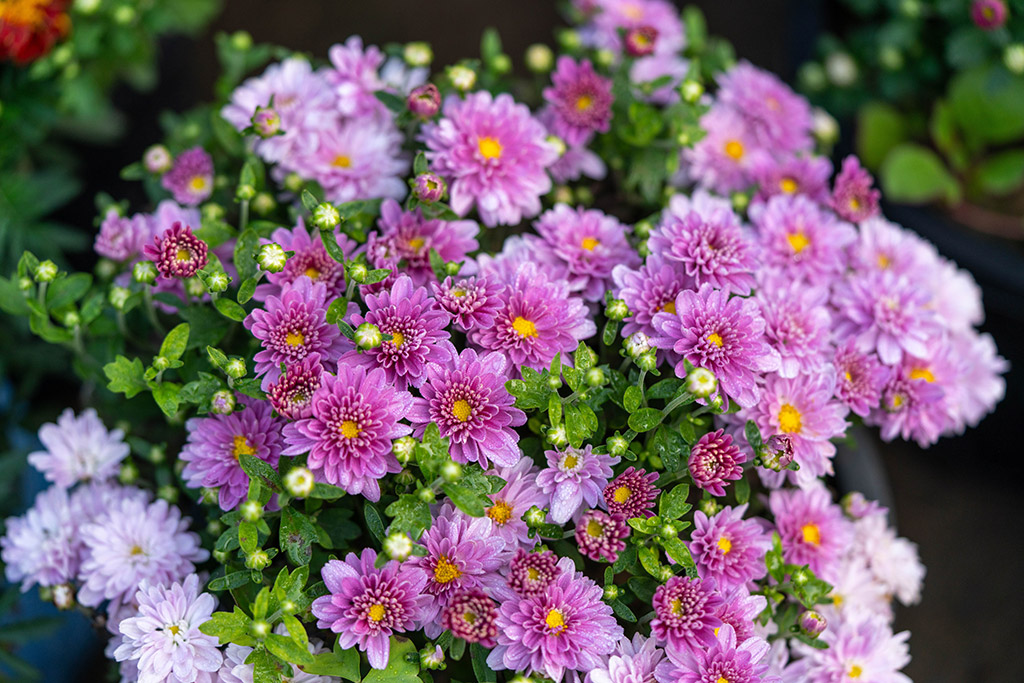
Every spring across Gainesville, fresh seasonal color begins showing up at entrances, clubhouses, monument signs, and commercial properties.
New flowers go in.
Beds are refreshed.
Everything looks vibrant again.
Then Florida summer arrives.
By late July and August, many of those same flower beds begin struggling under:
Some annuals decline quickly.
Others become leggy or stressed.
Certain beds begin requiring constant replacements just to maintain appearance consistency.
That does not mean seasonal flowers are bad.
In fact, annual color still plays an important role in many HOA entrances and commercial landscapes throughout Gainesville.
But many properties are beginning to realize that relying entirely on high-turnover flower rotations can create:
That shift is one reason more Florida landscapes are beginning to combine seasonal color with stronger long-term perennial structure underneath.
Because often, the strongest Gainesville landscapes are not the ones constantly being reset.
They are the ones designed to remain visually stable through Florida's changing conditions year- round.
North Central Florida creates one of the more demanding environments for ornamental landscapes.
Properties throughout Gainesville and Alachua County regularly deal with:
A flower bed may look incredible during installation week and still begin struggling once summer weather patterns intensify.
We commonly see:
Florida landscapes grow fast.
And landscapes designed only around short-term visual impact often become increasingly difficult to maintain consistently over time.
One thing that makes Gainesville landscapes especially unique is the amount of mature tree canopy throughout the area.
Large live oaks create beautiful shade and character across many neighborhoods and commercial properties - but they also create one of the most competitive root environments in the landscape.
Under mature oaks, many traditional flower beds struggle because they are competing against:
We commonly see annual flower beds thinning beneath mature canopies even when irrigation is functioning properly.
The site conditions themselves are often the issue.
That is one reason many Gainesville landscapes perform better long term when plant selections are chosen specifically for:
One noticeable trend throughout Florida commercial and HOA landscapes is the shift toward more durable perennial structure.
Instead of relying entirely on flower rotations several times per year, many properties are beginning to use:
...to create a more stable visual foundation year-round.
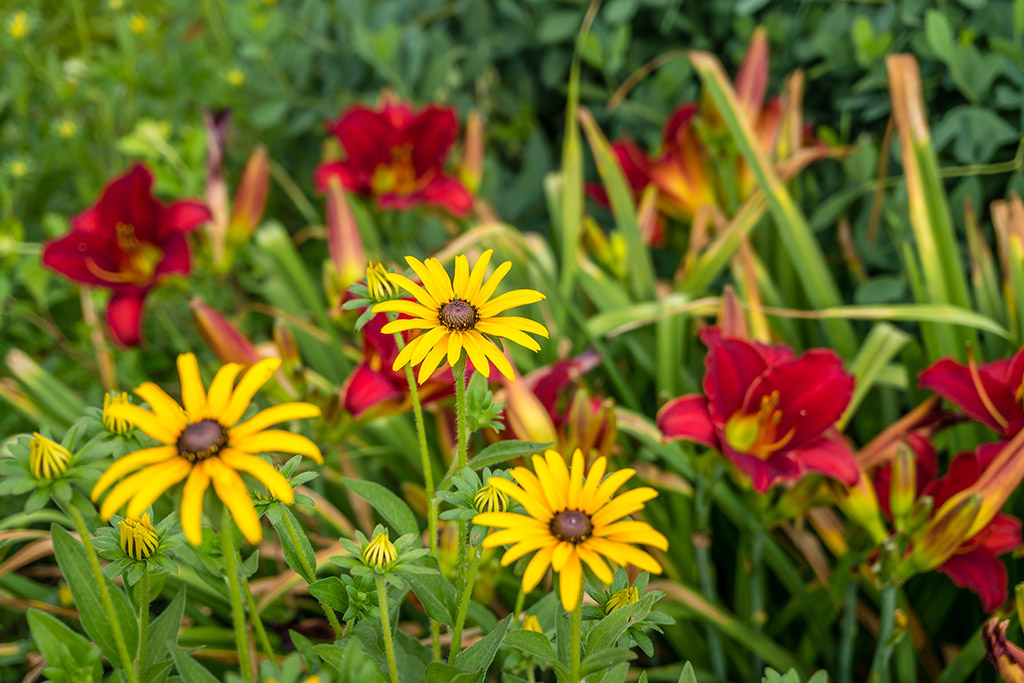
Seasonal flowers still have value.
But many landscapes now use annual color more strategically:
while allowing more durable perennial material to carry the majority of the landscape structure underneath.
That balance often creates
One misconception about Florida-friendly planting is that it means landscapes become sparse or visually dull.
In reality, some of the strongest Gainesville landscapes today combine:
...while still maintaining a clean, professionally managed appearance.
Plants like:
often provide long bloom periods while handling Florida conditions more naturally than many short-term bedding flowers.
That does not mean every perennial works everywhere.
But landscapes built around plants adapted to:
...often remain healthier and more stable through stressful weather swings.
One challenge with traditional annual beds is inconsistency.
A property may look incredible during peak bloom windows... then feel visually exhausted several weeks later once flowering slows or weather stress increases.
Long-blooming perennials help stabilize that cycle.
Many Florida-adapted perennials bloom in waves across multiple parts of the growing season instead of producing one short peak period.
That often creates:
Especially for HOA and commercial properties, that consistency matters.
Because properties usually look better long term when the landscape evolves gradually instead of constantly cycling between:
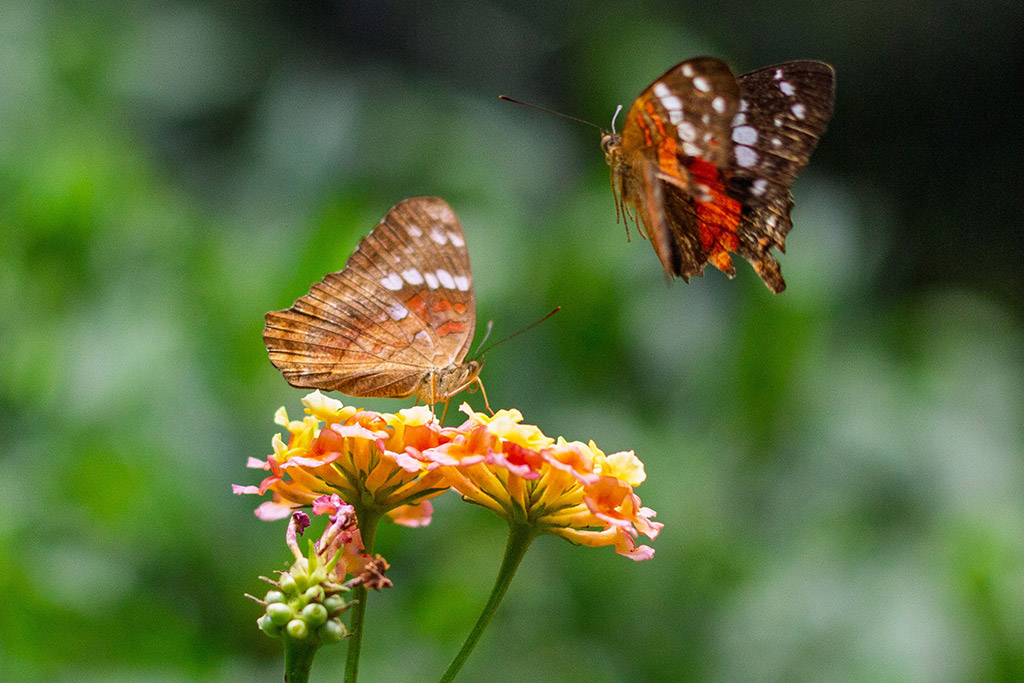
Another reason many properties are exploring perennial planting is pollinator support.
Plants that attract:
...can add movement and ecological value to the landscape.
But strong pollinator landscapes still require thoughtful design.
Without proper structure and maintenance, pollinator gardens can quickly become:
The strongest Gainesville pollinator landscapes usually balance:
That balance allows the landscape to support pollinators while still feeling intentional and professionally maintained.
One major advantage of perennial-focused landscapes is maturity.
Many perennials spend their early seasons developing stronger root systems before reaching their best flowering performance later.
Once established, they often become:
That maturity creates landscapes that often feel:
And in Florida, long-term stability matters.
Because landscapes designed around environmental compatibility usually outperform landscapes constantly fighting against the conditions surrounding them.
Some of the most common long-term issues we encounter include:
Most of these problems are not caused by poor maintenance.
They are usually signs the landscape itself may benefit from a more durable long-term planting strategy.
At Allegiance Landscaping, plant recommendations are approached from both an aesthetic and long-term performance perspective.
For Gainesville and Alachua County properties, our team evaluates:
Our goal is to help properties create landscapes that remain:
This proactive approach reflects one of our core company values:
Fix It Before It's a Problem.
Because many recurring landscape frustrations begin when plants are forced into conditions they were never designed to handle long term.
Seasonal color will always have a place in Gainesville landscapes.
But more properties are beginning to move away from relying entirely on constant flower turnover to carry the appearance of the entire landscape.
Instead, many are building stronger perennial structure underneath:
When landscapes are designed around how Florida actually behaves, they often become:
Because ultimately, landscapes that work with Florida's environment usually last longer than landscapes constantly trying to fight against it.