
February 6, 2026
Leaves are drooping. Flowers appear burned. Plants that were thriving just days ago now look stressed or lifeless. In Florida, this sudden shift often triggers panic responses: pruning too soon, watering too much, or fertilizing at the wrong time.
But cold damage in Florida landscapes does not work the way many people expect.
What you do after a freeze can either support recovery or permanently weaken the landscape.
Understanding how tropical plants respond to cold is the key to making the right call.
Most tropical plants are not biologically designed to tolerate cold. When temperatures fall into the 30s or below, damage begins at the cellular level - often before symptoms are visible.
Cold exposure can cause:
This is why damage may appear hours or even days later, not immediately the morning after a cold night.
A brief dip into the upper 30s may only cause stress. Extended exposure near or below freezing can result in structural tissue damage - especially to tender growth and flowers.
In Florida landscapes, frost frequently causes more harm than temperature alone.
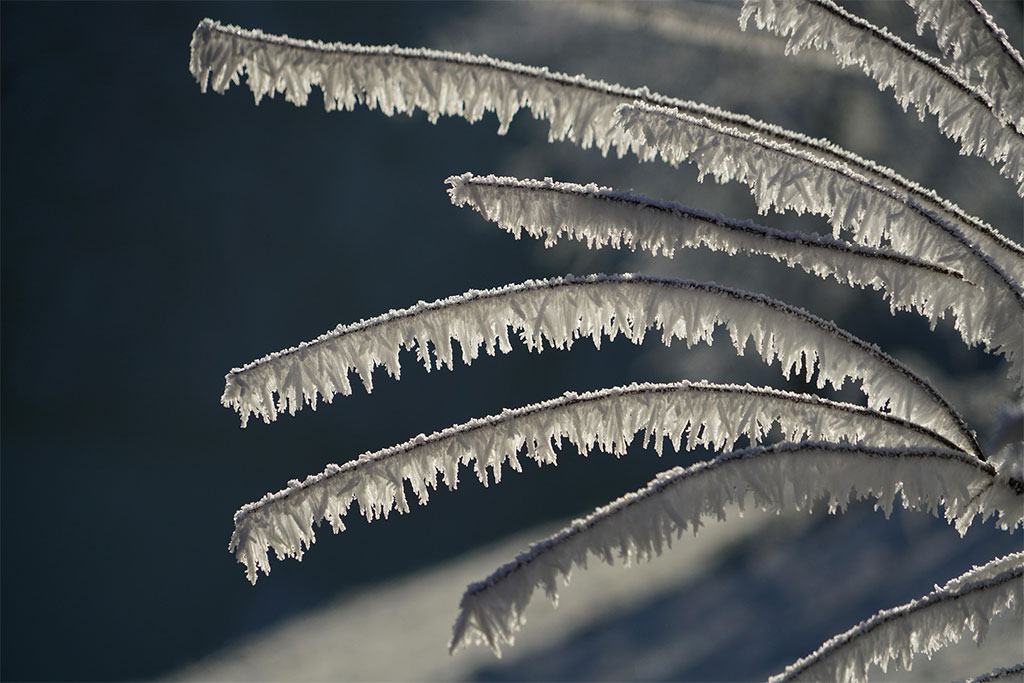
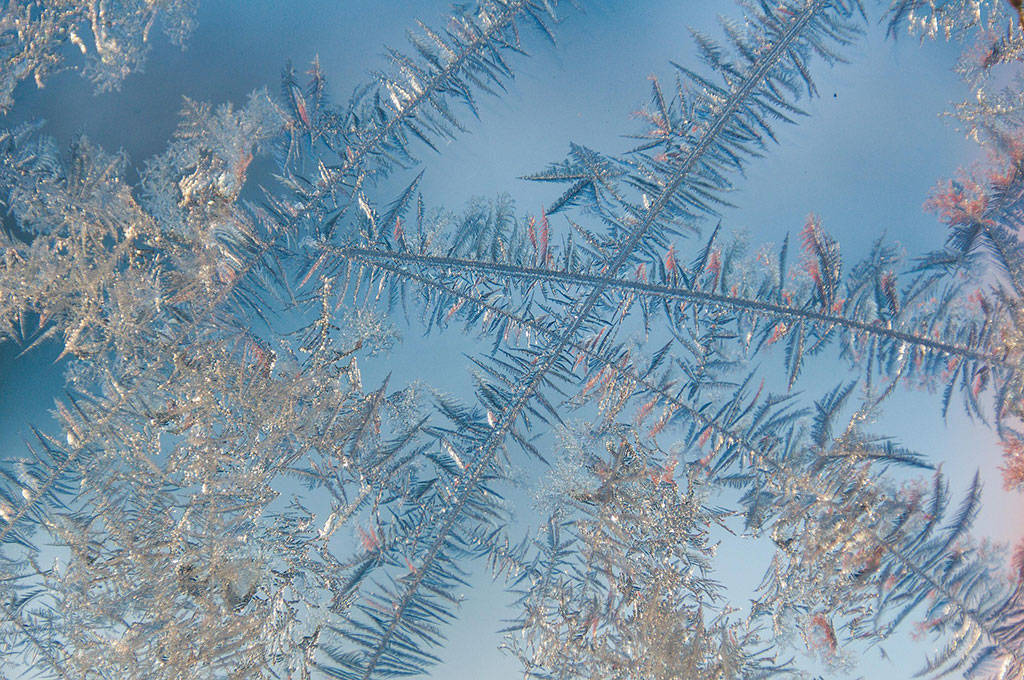
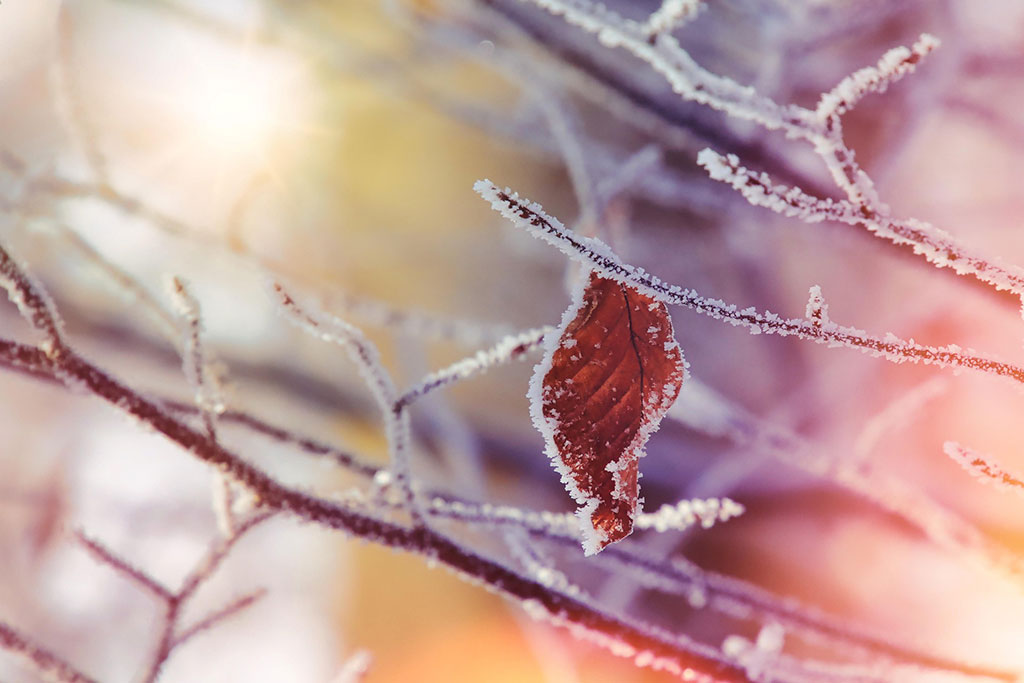
Frost forms when moisture freezes directly onto plant surfaces. Ice crystals disrupt cell membranes and pull water out of plant tissue, especially on:
As the sun rises, rapid thawing places additional stress on already-damaged cells. This is why plants often look worse after sunrise, not better.
Tender tropicals such as hibiscus, croton, impatiens, coleus, and flowering annuals typically show damage first.
Post-freeze wilting is one of the most misunderstood symptoms.
It is not a watering issue.
Banana leaves may split. Hibiscus blooms brown quickly. Gardenia buds often drop without warning.
This reaction looks severe but does not automatically mean the plant is dead.
Not all tropical plants respond the same way to cold exposure.
Outcomes depend on:
Some plants lose all top growth but recover from below ground. Others hold structure initially and decline later. This delayed response is why early pruning decisions are risky.
Some plants commonly used in "tropical" designs are more cold-tolerant than expected, making them ideal for long-term Florida landscapes:
Strategic use of these plants improves winter performance while maintaining a lush appearance year-round - especially in HOA entrances, medians, and common areas.
The most common post-freeze mistakes include:
Best practice is to wait until temperatures stabilize and new growth clearly defines what survived.
Once cold risk has passed:
In many parts of Florida, final recovery decisions should wait until early to mid-spring.
Preparation reduces damage far more effectively than post-freeze correction.
Proven protection strategies include:
These methods are widely recognized as effective for Florida conditions when applied correctly.
In many cases, yes.
If roots and primary stems remain healthy, tropical plants often regenerate - even when top growth appears completely lost. Recovery depends on plant health before the freeze, duration of cold exposure, and post-freeze care.
Waiting before making replacement decisions frequently saves significant cost and preserves mature plant material.
Cold snaps are part of Florida - even if they arrive suddenly. Landscapes managed with patience, preparation, and informed timing recover faster and maintain curb appeal with fewer setbacks.
At Allegiance Landscaping, winter protocols focus on risk reduction, proper timing, and long - term plant health, ensuring landscapes recover correctly rather than reactively.
Destination: Excellence - in every season.