
April 3, 2026
Across North Florida, spring signals the beginning of a major growth cycle for landscapes. As temperatures warm and daylight hours increase, plants begin actively producing new foliage and roots. This seasonal shift makes spring one of the most favorable times to introduce new plant material into both residential and commercial landscapes.
For HOA communities, office parks, and residential properties, spring planting is an opportunity to refresh landscape beds, improve visual appeal, and strengthen plant health before the peak heat of summer arrives.
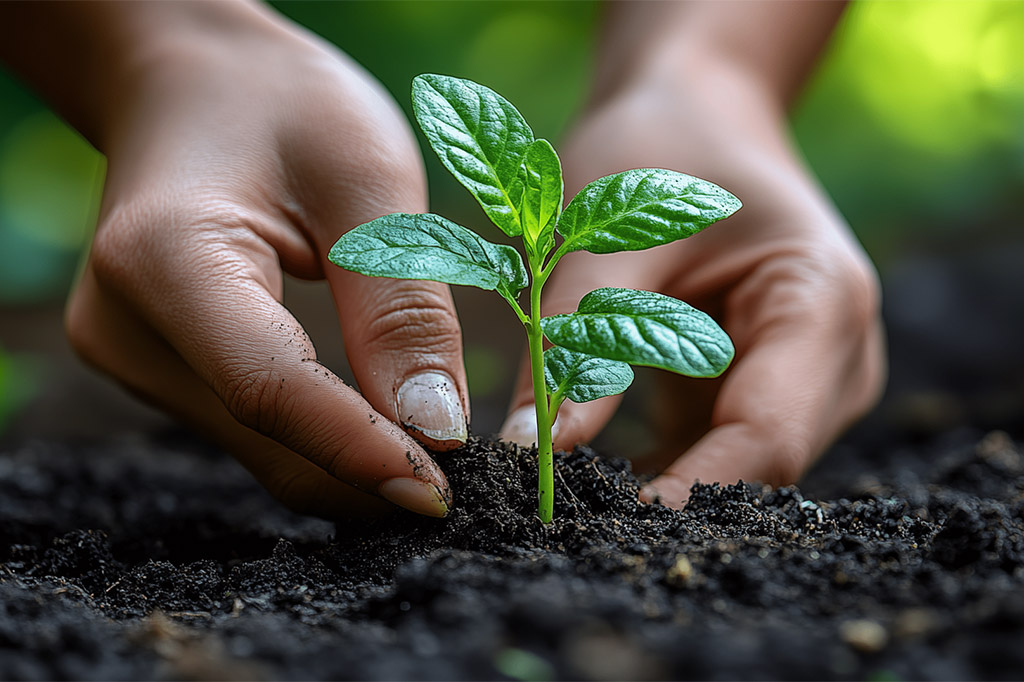
However, successful planting projects require more than simply placing plants into the ground. Soil conditions, plant selection, irrigation availability, and installation methods all influence whether new plants thrive or struggle after installation.
When these factors are addressed carefully, new landscapes establish faster and remain healthier throughout the year.
Before installing any new plant material, it is important to ensure the soil environment can support root development and long-term plant growth.
Evaluating Existing Soil Conditions
Soils throughout Florida vary greatly from one property to another. Many landscapes contain sandy soil that drains quickly, while others may suffer from compaction caused by construction or heavy traffic.
Evaluating soil conditions helps determine whether amendments are needed to improve root growth and nutrient availability.
Improving Soil Structure
Adding organic material such as compost or soil conditioners helps create a healthier planting environment. These materials improve aeration while allowing soil to hold moisture more effectively.
Healthy soil structure supports stronger root development and improves a plant's ability to adapt to its new environment.
Removing Existing Vegetation
Clearing weeds and unwanted vegetation before planting prevents competition for nutrients and sunlight. Removing these plants early also reduces the chance that aggressive weeds will interfere with newly installed material.
Addressing Drainage Concerns
Poor drainage can cause water to collect around plant roots, leading to stress or root rot. Loosening compacted soil or adjusting grade conditions can help water move through the soil more effectively.
Preparing soil properly before planting greatly increases the chances of long-term success.
Plant selection plays a major role in determining whether landscapes remain healthy and attractive over time.
Plants installed in Florida landscapes must be capable of tolerating several environmental conditions, including:
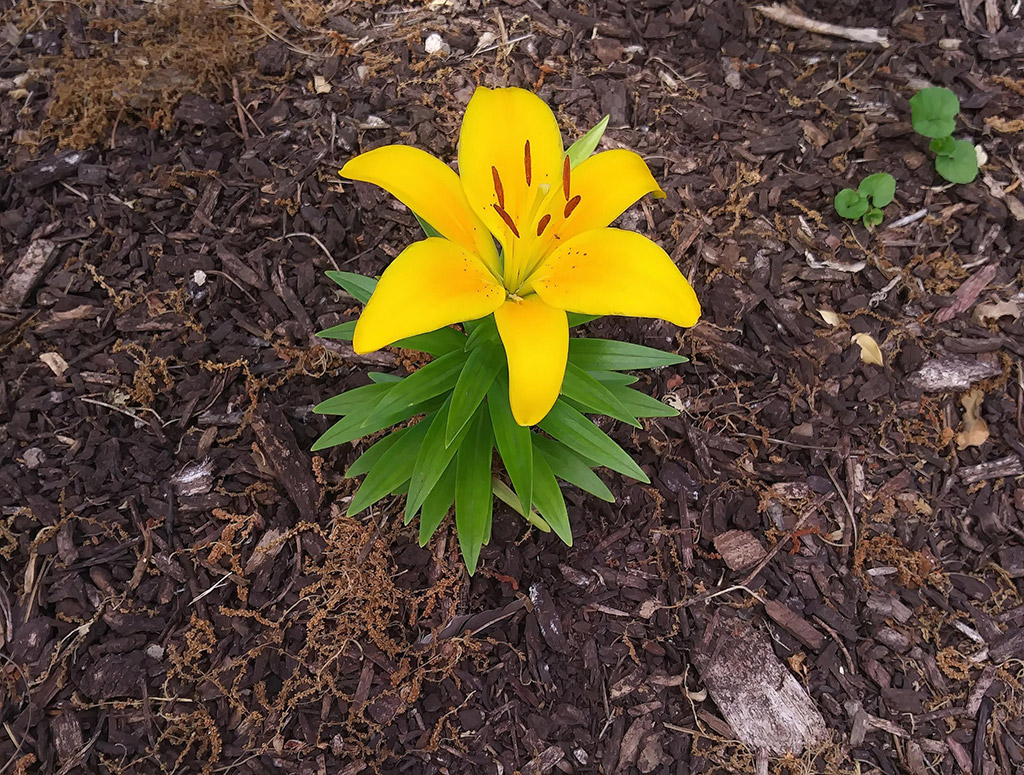
Selecting plants adapted to these conditions helps reduce maintenance needs and improves long-term survival.
Many successful landscape designs include a mixture of plant types that work together to create balance and visual interest.
Typical combinations may include:
A well-balanced planting design adds depth while ensuring each plant has the space it needs to mature properly.
How plants are installed can influence their ability to adapt and grow within the landscape.
Installing Plants Early in the Season
Planting earlier in the spring allows roots to establish before temperatures rise significantly. Plants that develop stronger root systems early tend to tolerate summer conditions more effectively.
Allowing Proper Plant Spacing
Plants need adequate space to grow and develop naturally. Crowded plantings restrict airflow and can increase the risk of disease.
Providing enough room between plants helps ensure they reach their full potential without competing for resources.
Creating Depth in Landscape Beds
Using multiple plant layers within a bed improves both appearance and plant performance. Groundcovers, medium-sized shrubs, and taller plants can be arranged together to create a natural visual progression.
Layered plantings also allow sunlight and airflow to reach more areas of the landscape.
Handling Root Systems Carefully
Plants that are transplanted from containers should be handled with care to avoid damaging root structures. Ensuring the root ball remains intact helps plants adapt more quickly once installed.
Water is one of the most important factors affecting plant survival during the early establishment stage.
Newly planted material requires consistent moisture while roots expand into surrounding soil.
Irrigating During Cooler Morning Hours
Watering in the early morning allows moisture to soak into the soil before temperatures increase. This reduces evaporation and ensures water reaches the plant's root system.
Delivering Water Directly to Root Zones
Drip irrigation or micro-irrigation systems are often effective for planting beds. These systems apply water slowly and directly to plant roots, minimizing waste.
Adjusting Irrigation Based on Weather
Spring weather conditions in Florida can vary significantly. Monitoring rainfall and adjusting irrigation schedules helps prevent both drought stress and excessive watering.
Organizing Plants by Water Requirements
Grouping plants with similar moisture needs within the same landscape bed makes irrigation management easier and more efficient.
Proper watering practices help plants establish faster while reducing the risk of stress or disease.
Mulch provides several important benefits for newly installed landscape beds.
Applying mulch helps:
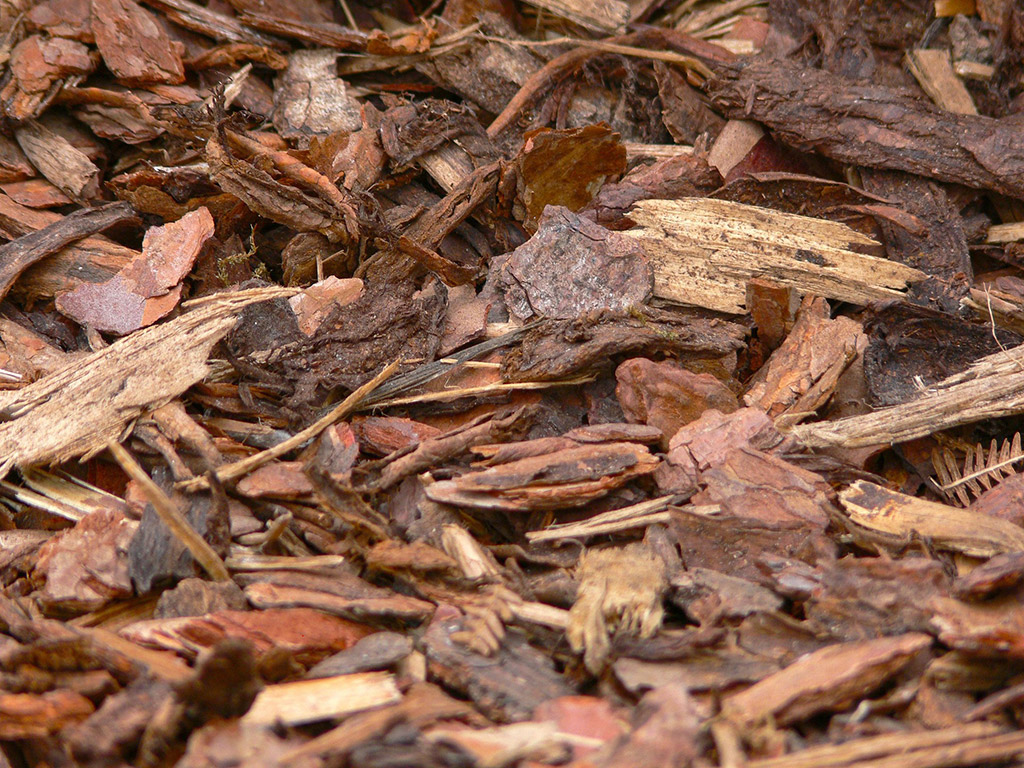
For most planting beds, maintaining approximately two to three inches of mulch provides effective coverage.
Mulch should be kept slightly away from the base of plant stems to prevent moisture accumulation that may lead to plant health issues.
After new plants are installed, regular landscape care helps ensure they continue developing properly.
Routine maintenance may include:
Consistent observation allows landscape professionals to identify potential problems early before they affect the entire planting bed.
For HOA communities and commercial properties, landscape quality contributes significantly to overall property value and resident perception.
Well-planned planting installations offer several advantages:
When planting projects are approached strategically, landscapes often require fewer corrections and provide lasting visual impact.
Spring provides an excellent opportunity to strengthen and refresh landscapes across North Florida. With thoughtful planning, healthy soil preparation, appropriate plant selection, and proper watering practices, new plant installations can establish quickly and remain resilient throughout the growing season.
Taking the time to prepare and install plants correctly helps landscapes thrive long after the planting process is complete.
Strong landscapes begin with careful planning—and spring offers the perfect moment to build that foundation.
Destination: Excellence