
February 13, 2026
You may have noticed water spraying near the irrigation connection, soaked ground around the device, or a complete loss of irrigation pressure. In some cases, everything looked fine until the system tried to run again - and then the problem appeared suddenly.
This situation is more common in Florida than many people realize. Backflow preventers are critical safety devices, but they are also one of the most freeze-vulnerable components of an irrigation system.
The good news is that this type of failure is usually manageable - and often preventable - when handled correctly.
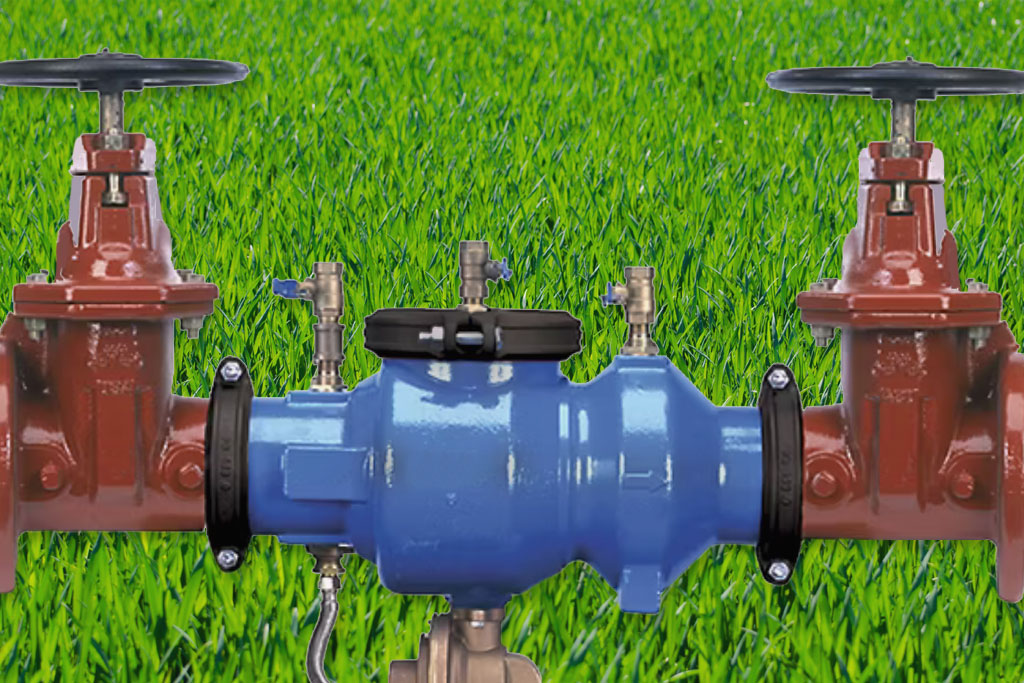
A backflow preventer is designed to protect the potable water supply by preventing irrigation water from flowing backward into drinking water lines. Because irrigation water can contain soil, fertilizers, and other contaminants, this device plays a vital role in public health and system safety.
In Florida, most irrigation backflow preventers are:
When temperatures drop near or below freezing, water trapped inside the device can freeze and expand. That expansion creates internal pressure strong enough to:
In many cases, the damage isn't immediately visible. Problems often appear only after the system is pressurized again.
Common signs of freeze damage include:
It's not unusual for a backflow preventer to look intact until the next irrigation cycle activates.
If you suspect freeze damage, quick and correct action matters.
1. Shut Off the Irrigation Water Supply
Turn off the valve feeding the backflow preventer to stop active leaking and prevent additional damage.
2. Do Not Pressurize the System
Running irrigation through a damaged backflow can worsen internal fractures and flood surrounding areas.
3. Inspect Visually - Do Not Disassemble
Look for obvious cracks or leaks, but avoid dismantling components unless handled by a qualified professional.
4. Schedule a Proper Repair or Replacement
Backflow preventers are safety devices. Once freeze-damaged, internal components may no longer function correctly even if leaks appear minor.
Sometimes - but not always.
Temporary patches or improvised fixes are not recommended. A backflow preventer must function correctly — not just hold water.
These common mistakes often create bigger problems:
Because backflow preventers protect water quality, shortcuts create unnecessary risk.
Florida irrigation systems are designed differently than systems in colder climates. Most do not allow full drainage or compressed-air blowouts.
As a result:
Freeze preparation in Florida focuses on risk reduction, not complete elimination.
Proactive steps can significantly reduce the chance of freeze damage:
For HOA and commercial properties, having a documented freeze-response plan greatly reduces emergency repairs and downtime.
A failed backflow preventer impacts more than watering schedules. It can:
Addressing the issue correctly protects both the landscape and the infrastructure that supports it.
A burst backflow preventer can feel like a major setback - but it doesn't have to become a crisis.
Shutting down the system promptly, avoiding shortcuts, and making proper repairs ensures irrigation systems are restored safely and reliably.
At Allegiance Landscaping, our approach emphasizes education, prevention, and correct repair protocols - so systems recover the right way, not the fast way.
Destination: Excellence - even when temperatures drop.