
April 10, 2026
After a relatively mild winter here in Gainesville, many landscapes are beginning to show early signs of spring growth. Warmer temperatures, longer daylight hours, and seasonal rainfall patterns create ideal conditions for new plants to establish and for existing landscapes to begin their annual growth cycle.
For homeowners, HOA communities, and commercial properties throughout North Florida, early spring is one of the best times to evaluate landscape conditions and begin planning improvements. Taking time to assess your property now can help prevent problems later in the growing season and ensure that any new planting projects get off to a strong start.
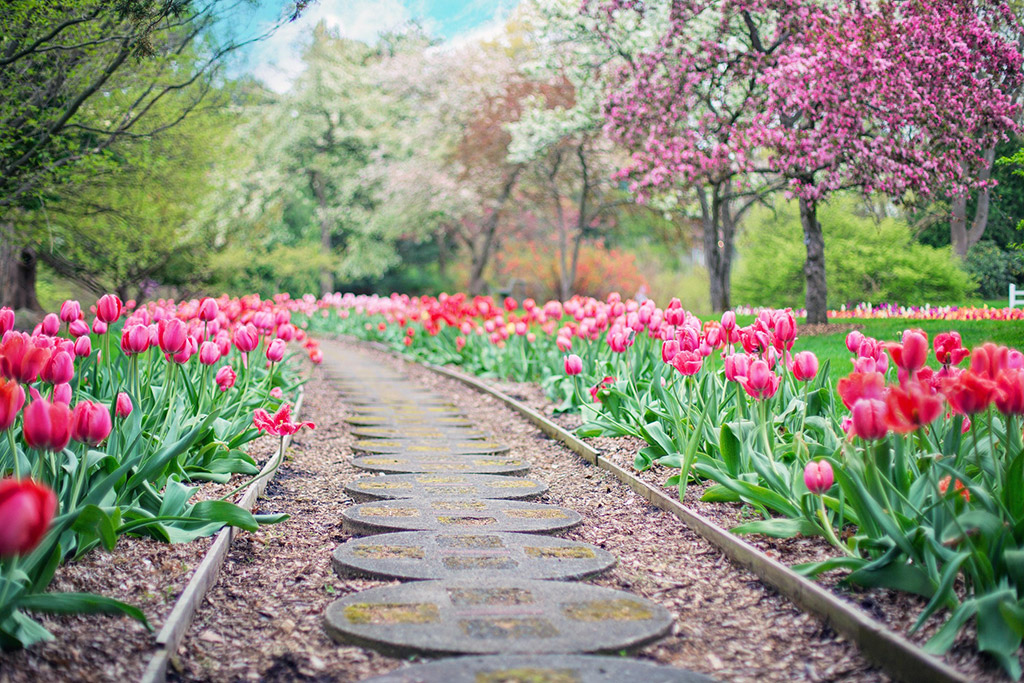
Whether you enjoy tackling landscaping projects yourself or prefer to work with a professional landscape team, thoughtful preparation is the key to creating outdoor spaces that remain healthy and visually appealing throughout the year.
Before selecting plants or designing new beds, it is important to evaluate the basic systems that support the health of your landscape.
One of the first elements to review is your irrigation system. Turfgrass and ornamental plants depend on consistent watering to establish strong root systems. Broken sprinkler heads, clogged nozzles, or poor spray coverage can result in dry spots or uneven growth throughout the yard.
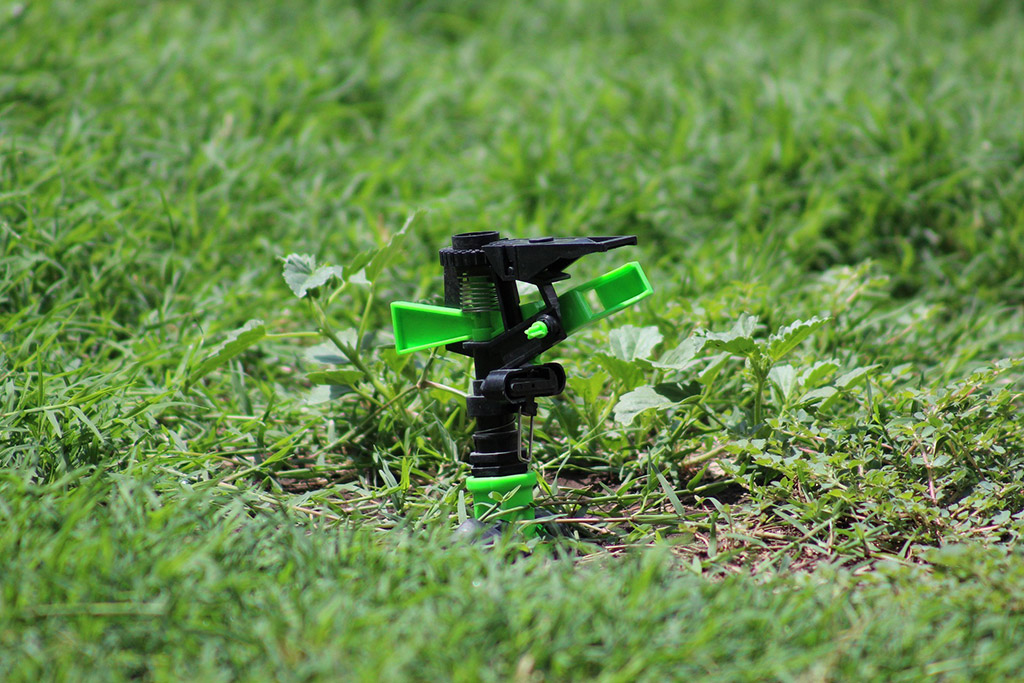
A quick irrigation inspection before the growing season begins can help ensure your system is functioning efficiently.
Drainage is another factor that should not be overlooked. Some areas of a property may collect standing water after rainfall, which can stress plant roots and damage turf over time. Identifying these areas early allows property owners to address grading or drainage issues before installing new plant material.
Shade patterns are also worth examining. Mature trees provide valuable cooling benefits and visual character, but excessive canopy coverage can limit the sunlight needed for certain turf varieties or flowering plants. In some cases, selective pruning can improve sunlight penetration and dramatically improve plant performance beneath the tree canopy.
Addressing these foundational issues first ensures that any new landscaping improvements have the best chance of long-term success.
It can be tempting to start a landscaping project by visiting a garden center and selecting plants that immediately catch your attention. While this approach can be exciting, it often leads to mismatched plant selections or design layouts that do not work well within the space.
A more effective approach begins with defining the overall purpose of your landscape project.
Ask yourself a few important questions:
Clarifying your goals helps guide plant selection, layout decisions, and material choices.
Budget planning should also be part of this process. Establishing a realistic budget allows you to determine which improvements can be completed immediately and which may be better suited for a future phase of the project.
Creating a thoughtful plan before purchasing materials can save both time and money while producing a more cohesive final result.
Many homeowners draw inspiration from gardens they have seen in other regions or from landscapes they enjoyed in previous homes. While these ideas can provide great starting points, it is important to adapt those concepts to Gainesville's climate and environmental conditions.
North Florida landscapes must withstand several factors, including summer heat, humidity, seasonal rainfall fluctuations, and occasional winter temperature drops.
Selecting plants that are well adapted to these conditions will help ensure long-term success.
Popular landscape plants for Gainesville and surrounding areas often include species such as:
Combining evergreen shrubs, flowering plants, and ornamental grasses creates a layered landscape design that provides visual depth while supporting plant health.
When plants are selected with the local climate in mind, landscapes typically require less irrigation, fewer chemical treatments, and less frequent replacement.
Even the best plant selections can struggle if they are installed improperly. Correct planting techniques play a major role in how quickly plants establish and adapt to their new environment.
Successful plant installation typically begins with preparing the planting area by loosening soil and improving soil conditions when necessary. Digging planting holes wider than the root ball allows roots to expand naturally into the surrounding soil.
Once the plant is positioned at the proper soil level, the planting hole is carefully backfilled while removing air pockets around the roots. Applying a root stimulator during installation can support early root development and help plants adapt more quickly.
After planting, watering thoroughly helps settle the soil and ensures roots have immediate access to moisture.
When plants are installed correctly, they establish faster and become more resilient to seasonal stress.
Newly installed plants require consistent watering while their root systems expand into the surrounding soil. However, overwatering can be just as harmful as underwatering.
Watering early in the morning is often the most effective approach, allowing moisture to soak into the soil before temperatures rise during the day.
Efficient irrigation systems such as drip irrigation or micro-irrigation can also help deliver water directly to plant roots while reducing water waste.
Grouping plants with similar water requirements within the same planting beds can simplify irrigation management and improve plant performance.
As plants establish and roots grow deeper, watering frequency can gradually be reduced.
Mulch plays an important role in supporting healthy landscape beds. Applying mulch around plants helps retain soil moisture, regulate soil temperature, and reduce weed growth.
Over time, organic mulch materials break down and contribute nutrients back into the soil, improving soil health.
For most planting beds, maintaining a mulch depth of approximately two to three inches provides effective coverage. Mulch should be kept slightly away from the base of plant stems to prevent moisture buildup that could cause plant health problems.
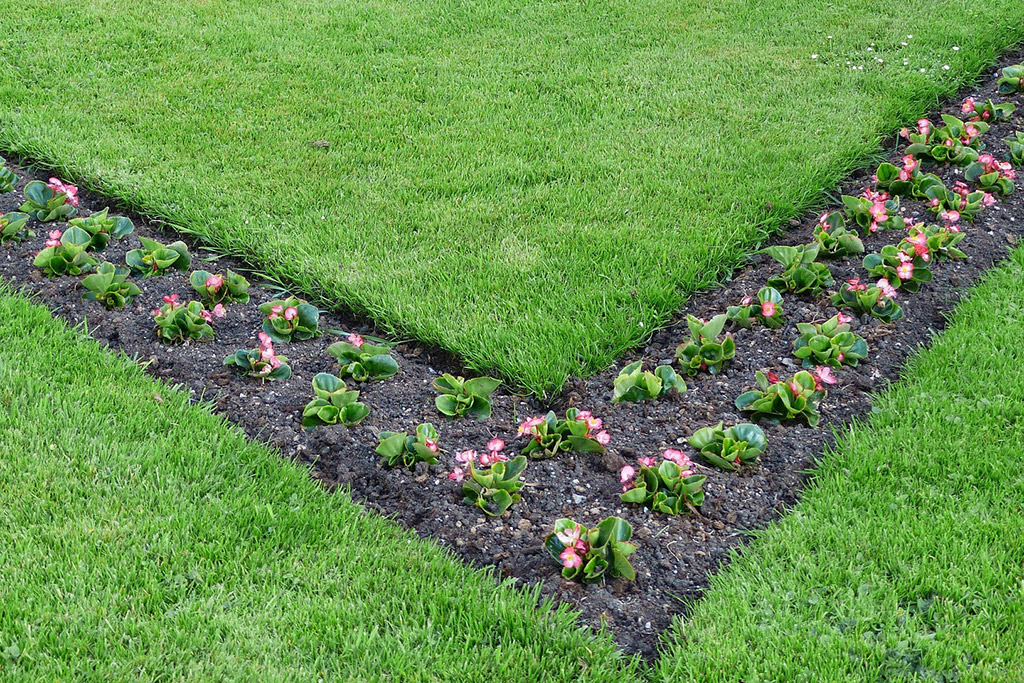
Proper mulching not only improves plant health but also gives landscape beds a clean, finished appearance.
Several common mistakes can reduce the success of landscaping projects.
One of the most frequent issues is installing plants too close together. While young plants may appear small initially, many species grow significantly as they mature. Crowded plantings often lead to disease problems and excessive pruning.
Another common mistake is planting species that are not suited for the local climate. Plants that require cooler temperatures or excessive watering may struggle to survive in North Florida.
Overwatering is also a frequent concern. Irrigation systems that run too frequently can create unhealthy soil conditions and weaken plant roots.
By selecting appropriate plants and installing them properly, property owners can avoid many of these challenges.
Spring offers an excellent opportunity to refresh and improve landscapes throughout Gainesville and the surrounding North Florida communities.
By focusing on the fundamentals - such as irrigation performance, drainage conditions, soil preparation, and thoughtful plant selection - property owners can create outdoor spaces that remain healthy and visually appealing throughout the year.
With proper planning and realistic expectations, even modest landscaping improvements can make a meaningful difference in the beauty and enjoyment of your outdoor space.
Strong landscapes begin with careful preparation, and spring provides the perfect time to get started.
Destination: Excellence