
March 27, 2026
When homeowners or HOA boards notice insect eggs on plants, the first instinct is often to remove them immediately. Many people assume that any insect presence in the landscape must be harmful.
In reality, healthy landscapes rely on a complex balance of organisms that work together to support plant health and soil vitality. Some insects certainly cause damage, but many others perform essential roles that help landscapes thrive naturally.
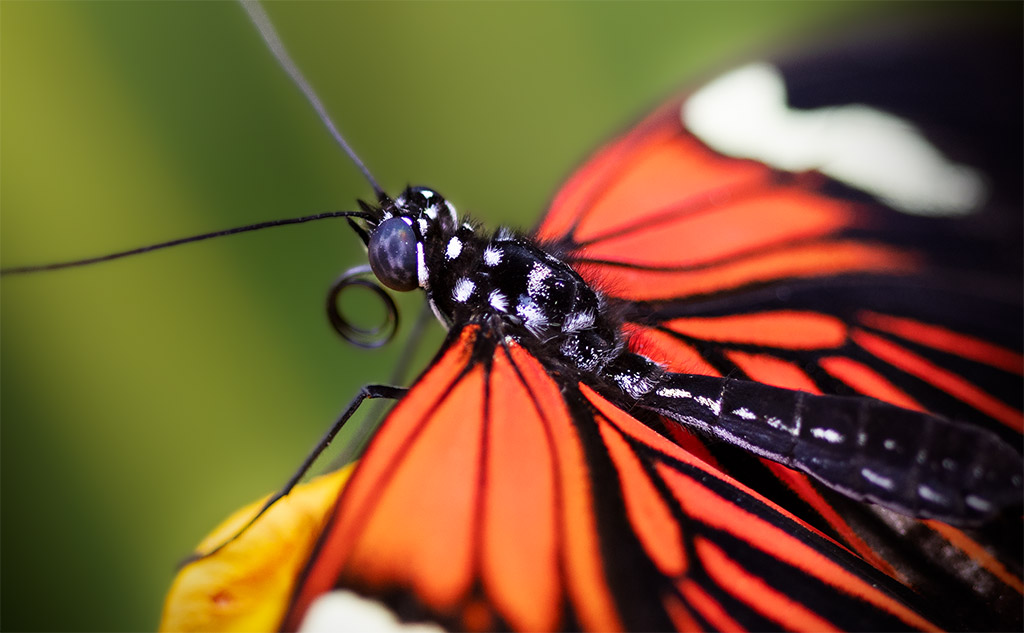
Beneficial insects help control destructive pests, support pollination, improve soil conditions, and maintain ecological balance. When these natural helpers are present, landscapes often require fewer chemical treatments and experience fewer pest outbreaks.
Understanding which insects contribute to a healthy landscape - and which require management - can help property owners make better decisions that protect both their landscapes and the surrounding environment.
A landscape functions much like a small ecosystem. Plants, soil microorganisms, wildlife, and insects all interact in ways that influence the health and stability of the environment.
Beneficial insects contribute to this system in several key ways.
Natural Pest Control
Some insects act as natural predators that feed on pests known to damage plants and turfgrass. When these beneficial species are present, they can significantly reduce pest populations without the need for constant chemical treatments.
Lady beetles, lacewings, and certain parasitic insects are well known for their ability to consume harmful pests such as aphids, mites, and scale insects. By controlling these pests naturally, beneficial insects help maintain plant health and reduce stress on ornamental plants.
Supporting Pollination
Pollinating insects are critical for many flowering plants found in Florida landscapes. Species such as butterflies and native bees help plants reproduce by transferring pollen between flowers.
This process not only supports the health of ornamental beds but also contributes to stronger plant growth and longer bloom cycles throughout the season.
Improving Soil Health
Many insect larvae contribute to the breakdown of organic matter within the soil. As leaves and plant material decompose, nutrients are returned to the soil where they can be absorbed by plant roots.
Healthy soil with active biological life supports stronger root systems and improves a plant's ability to tolerate stress from drought, heat, or disease.
Supporting a Balanced Ecosystem
Beneficial insects also attract other forms of wildlife that help regulate pest populations. Birds, for example, often feed on insects that would otherwise damage plants.
When landscapes support diverse insect populations, they become more resilient and stable over time.
In Gainesville and surrounding areas of North Florida, several beneficial insects frequently appear in healthy landscapes. Learning to recognize these species can help prevent unnecessary treatments that disrupt the natural balance.
Lady Beetles (Ladybugs)
Lady beetles are among the most recognizable beneficial insects in the landscape. Both the adult insects and their larvae feed heavily on aphids, scale insects, and other pests that commonly attack ornamental plants.
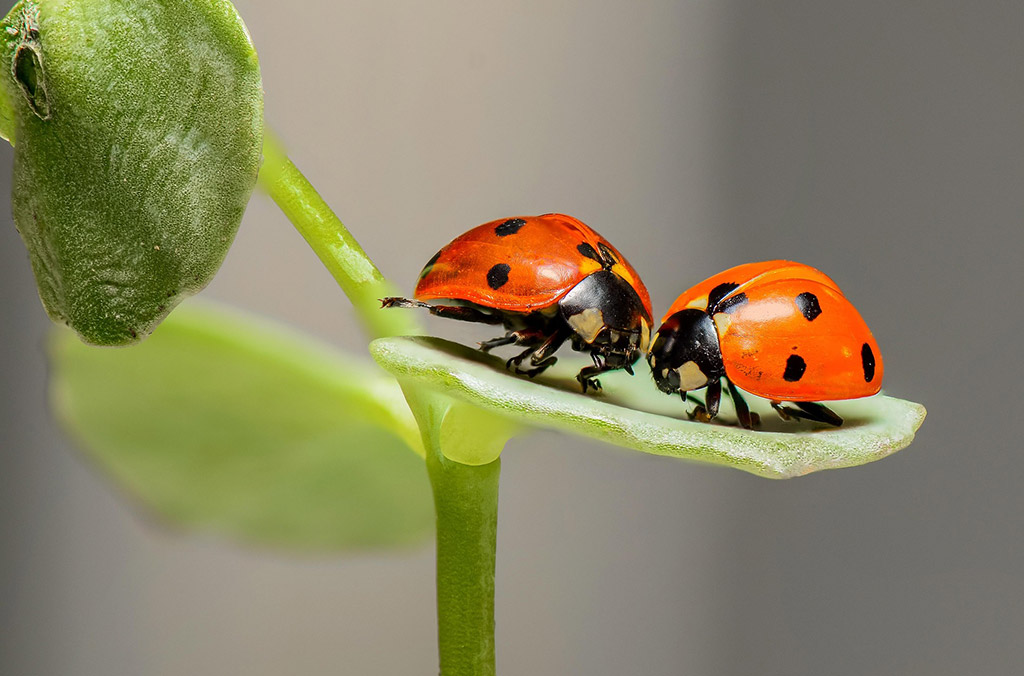
Because of their appetite for plant-damaging insects, lady beetles serve as one of nature's most effective forms of pest control.
Green Lacewings
Green lacewing larvae are sometimes referred to as “aphid lions” due to their aggressive feeding habits. These insects consume aphids, mites, and small caterpillars that can damage flowers and shrubs.
Lacewings are particularly beneficial in ornamental beds where pest populations tend to concentrate.
Hoverflies
Hoverflies resemble small bees but are harmless pollinators. Their larvae feed on aphids and other soft-bodied insects that commonly infest garden plants.
In addition to providing pest control, adult hoverflies also help pollinate flowers.
Parasitic Wasps
Although rarely noticed due to their small size, parasitic wasps play an important role in controlling pest populations. These insects lay eggs inside harmful pests such as caterpillars and whiteflies.
As the larvae develop, they prevent the host insect from continuing its life cycle, effectively reducing pest populations naturally.
While many insects contribute positively to landscape health, certain pests can cause significant damage if left unmanaged.
In Florida landscapes, several pests are known to affect turfgrass and ornamental plants.
Chinch Bugs
Chinch bugs are one of the most common turfgrass pests affecting St. Augustine lawns throughout Florida. These insects feed on grass blades and inject toxins into the plant tissue, which interferes with the plant's ability to absorb water.
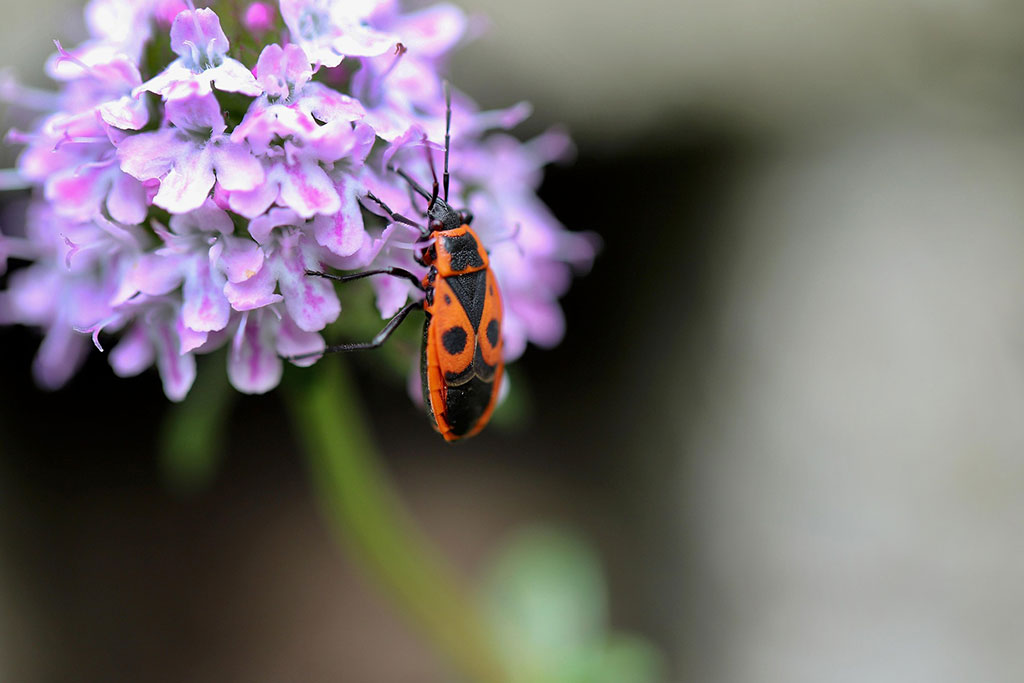
The damage typically appears as irregular brown patches that can easily be mistaken for drought stress.
Armyworms
Armyworms are caterpillars that feed on turfgrass and ornamental plants. Large populations can quickly strip plant foliage, leaving landscapes with visible damage.
White Grubs
White grubs live beneath the soil surface and feed on turfgrass roots. As the roots are damaged, sections of turf may begin to thin or detach from the soil.
Because these pests develop underground, infestations can sometimes go unnoticed until turf damage becomes visible.
Recognizing these pests early allows for targeted management before the damage becomes widespread.
Property owners and HOA boards should watch for early indicators that pest activity may be present within the landscape.
Common warning signs include:
If these symptoms appear, a professional inspection can determine whether harmful pests are present or if natural predators are already addressing the issue.
Landscapes that support biodiversity often experience fewer pest problems because beneficial insects naturally regulate harmful populations.
There are several simple ways property owners can encourage beneficial insects.
Plant Pollinator-Friendly Flowers
Certain flowering plants attract beneficial insects that support pollination and pest control. In North Florida landscapes, popular choices include:
These plants provide nectar and habitat that attract beneficial insects throughout the growing season.
Limit Unnecessary Pesticide Use
Excessive pesticide use can eliminate helpful insects along with harmful pests. Targeted treatments should only be applied when necessary and should focus specifically on damaging pests.
Maintain Healthy Soil
Healthy soil supports microorganisms and insects that contribute to plant growth and pest resistance. Organic matter, proper irrigation management, and appropriate fertilization practices all help maintain soil health.
Provide Natural Habitat
Some beneficial insects require sheltered areas where they can reproduce and survive seasonal changes. Maintaining diverse plantings and natural areas can help support these populations.
Landscapes that support beneficial insects tend to develop a natural defense system against pest outbreaks.
When predator insects are present, they continuously regulate pest populations before infestations become severe. This reduces the need for repeated chemical treatments and helps maintain environmental balance.
For HOA communities and residential properties, this balanced approach often leads to:
Over time, landscapes managed with ecological awareness tend to become more stable and resilient.
Not every insect egg found in the landscape signals a problem. Many represent beneficial species that help control pests, support pollination, and contribute to healthy soil.
Understanding this balance is an important part of responsible landscape management.
Rather than viewing all insects as threats, successful landscapes recognize the role beneficial species play in maintaining long-term health and stability.
When landscapes are designed and maintained with this balance in mind, they often require fewer interventions while remaining vibrant and resilient throughout the seasons.
Destination: Excellence