
February 28, 2026
After a hard freeze, many Florida lawns look thin, discolored, or slow to recover. Then, seemingly overnight, weeds appear everywhere.
For HOA boards and property managers, this can feel like a second hit after cold damage:
The important thing to understand is this:
Freezes don't create weeds - they create opportunity.
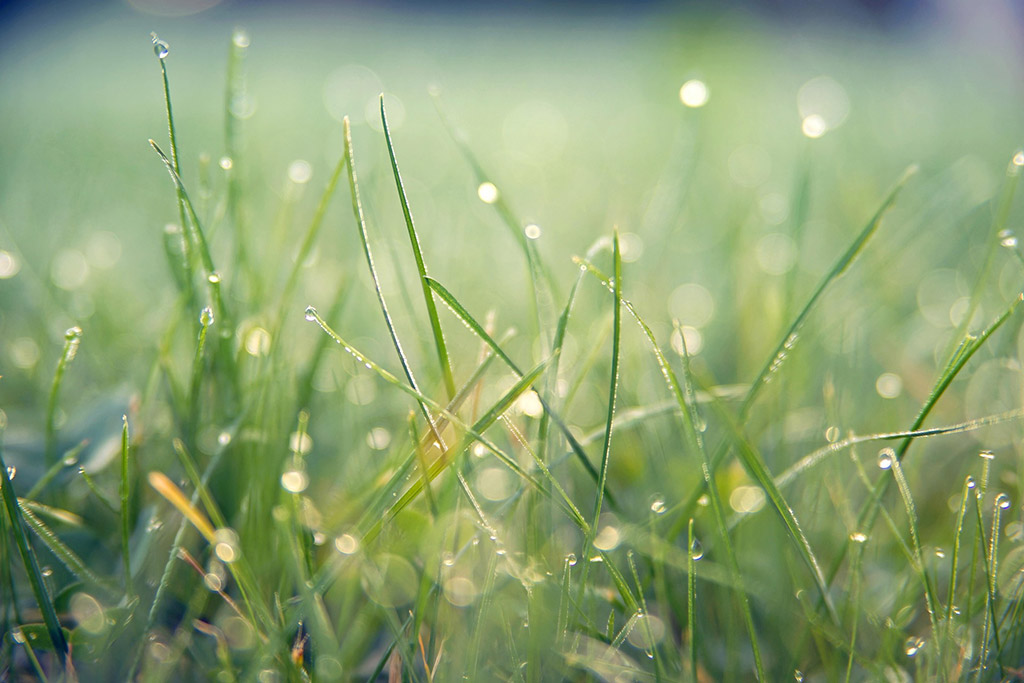
When Florida turf experiences a hard freeze, especially near 20°F, the damage isn't just cosmetic.
Freeze injury causes:
Healthy turf naturally suppresses weeds by shading soil and competing for nutrients. When freeze damage thins that turf, sunlight reaches the soil surface - exactly what weed seeds need to germinate.
This is why weed pressure often spikes weeks after a freeze, not immediately.
Winter Annual Weeds (Already Present, Now Visible)
Many winter weeds germinate in fall and winter but remain unnoticed until turf thins.
Common examples include:
These weeds don't suddenly arrive after a freeze - they were already there. The freeze simply removes the turf's ability to hide or outcompete them.
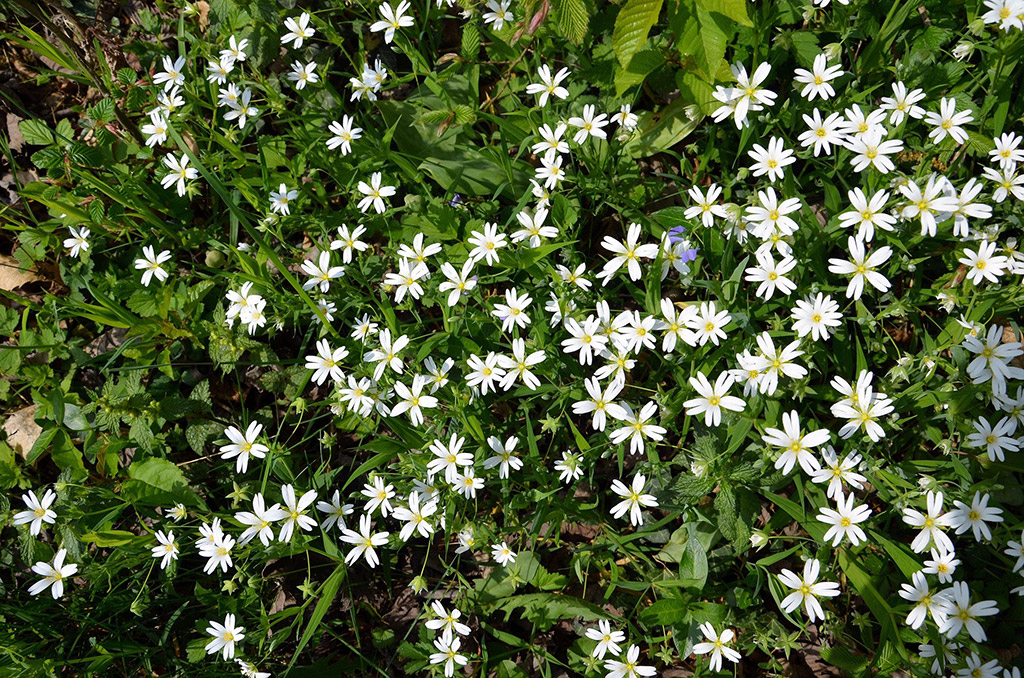
Early Spring Weeds (Taking Advantage of Weak Turf)
As temperatures warm, weakened turf struggles to close bare areas quickly. This allows early spring weeds to establish faster than turf can recover.
These weeds exploit:
Once established, they become much harder to control later in the season.
One of the biggest mistakes after a freeze is trying to spray weeds too early or too aggressively.
Freeze-damaged turf is:
Applying herbicides while turf is still dormant or stressed can:
Timing matters more than urgency.
Pre-Emergent Weed Control
Pre-emergents help prevent new weeds from germinating, but they:
After a freeze, pre-emergent decisions should be strategic, not automatic.
Post-Emergent Weed Control
Post-emergent treatments target visible weeds, but stressed turf:
Spot treatments and delayed applications often outperform blanket spraying in post-freeze conditions.
If freeze damage leads to prolonged thinning, weed pressure can persist well into the growing season.
Long-term impacts include:
The goal after a freeze isn't just weed control - it's turf recovery first, weed suppression second.
The most effective weed control after a freeze is helping turf regain strength.
That means:
As turf density improves, weed pressure naturally declines.
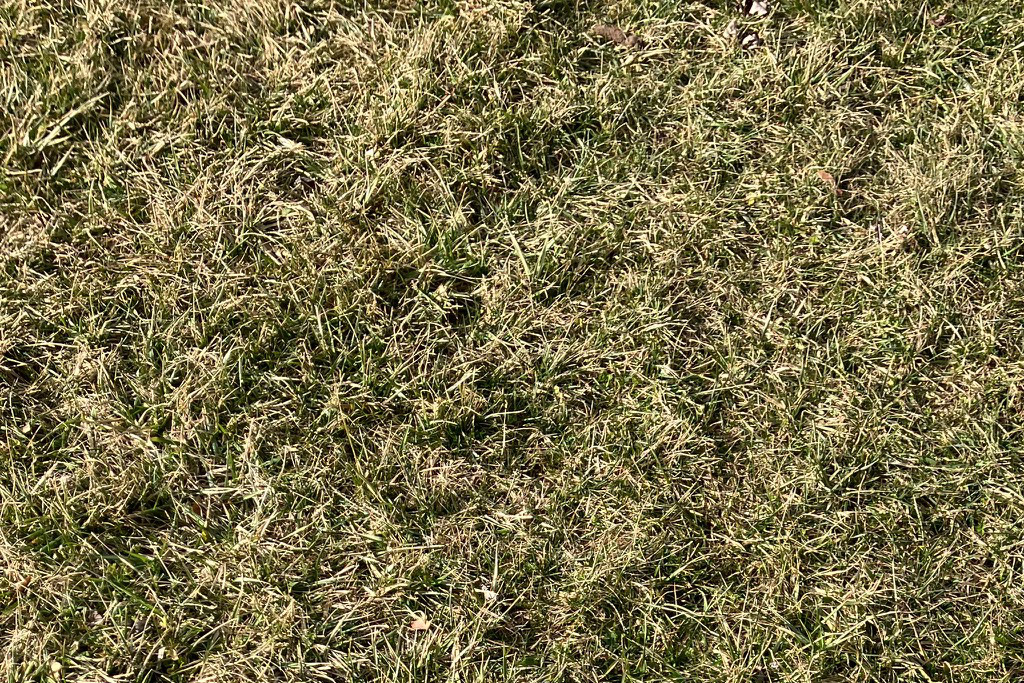
Avoid these common reactions:
Each of these can extend weed problems instead of solving them.
Seeing weeds after a freeze does not mean:
It means the lawn experienced a stress event and is temporarily vulnerable.
How that window is managed determines whether weeds become a season-long issue or a short- term inconvenience.
Freeze events are rare in Florida - but their effects ripple for months if handled incorrectly.
Understanding why weeds appear, resisting the urge to overreact, and focusing on turf recovery first allows landscapes to rebound stronger, denser, and more resilient.
At Allegiance Landscaping, our post-freeze approach prioritizes timing, observation, and restraint, ensuring weed control supports turf recovery - not works against it.
Destination: Excellence - even after winter stress.