
February 20, 2026
When temperatures drop to around 20°F, Florida turf isn't just "stressed" - it's pushed well beyond its comfort zone.
After a hard freeze, lawns often look thin, discolored, or completely dormant. For HOA boards and property managers, this can raise concerns about long-term turf health, spring recovery timelines, and whether additional problems - like pests or disease - are now on the way.
The reality is this:
Freeze damage itself is only part of the story. What happens after the freeze often determines how well turf recovers.
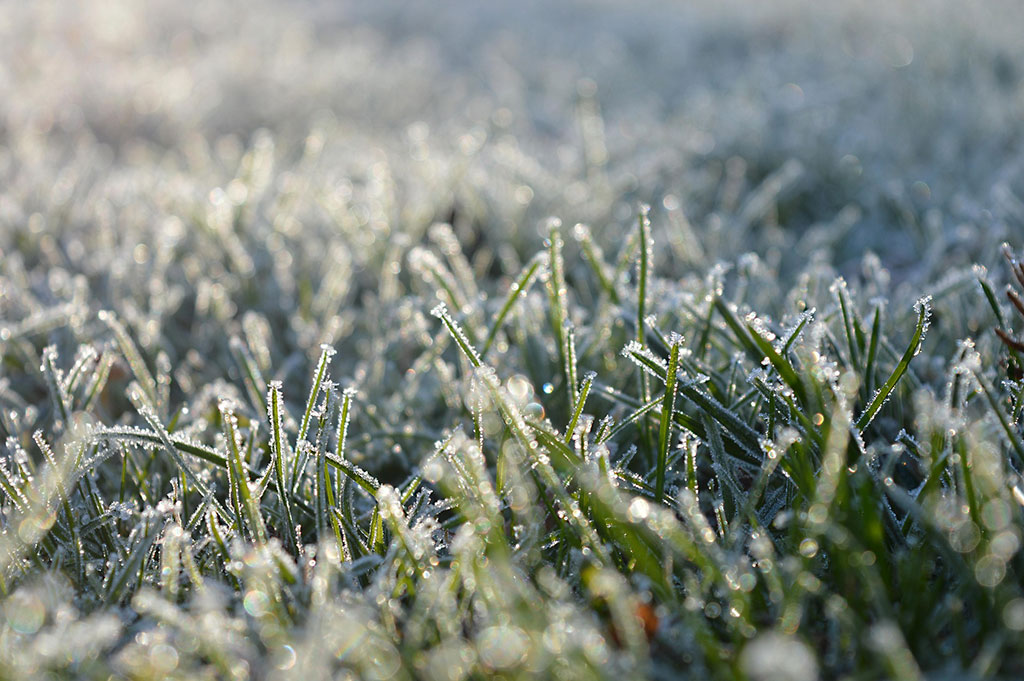
At 20°F, most warm-season grasses in Florida experience cellular injury, not just surface burn.
Cold temperatures can cause:
Unlike northern grasses, Florida turf does not enter a deep winter dormancy designed for extreme cold. Instead, growth slows abruptly, leaving turf vulnerable during and after the event.
Not all turf reacts the same way.
In all cases, root survival is more important than leaf appearance when assessing long-term turf recovery.
One of the most confusing aspects of freeze damage is timing.
Immediately after a freeze, turf may look only slightly discolored. Over the following days or weeks, lawns often:
This delayed response happens because damaged cells continue to break down after temperatures rebound. The freeze initiates the injury, but visible symptoms emerge gradually.
This is why early renovation decisions are risky.
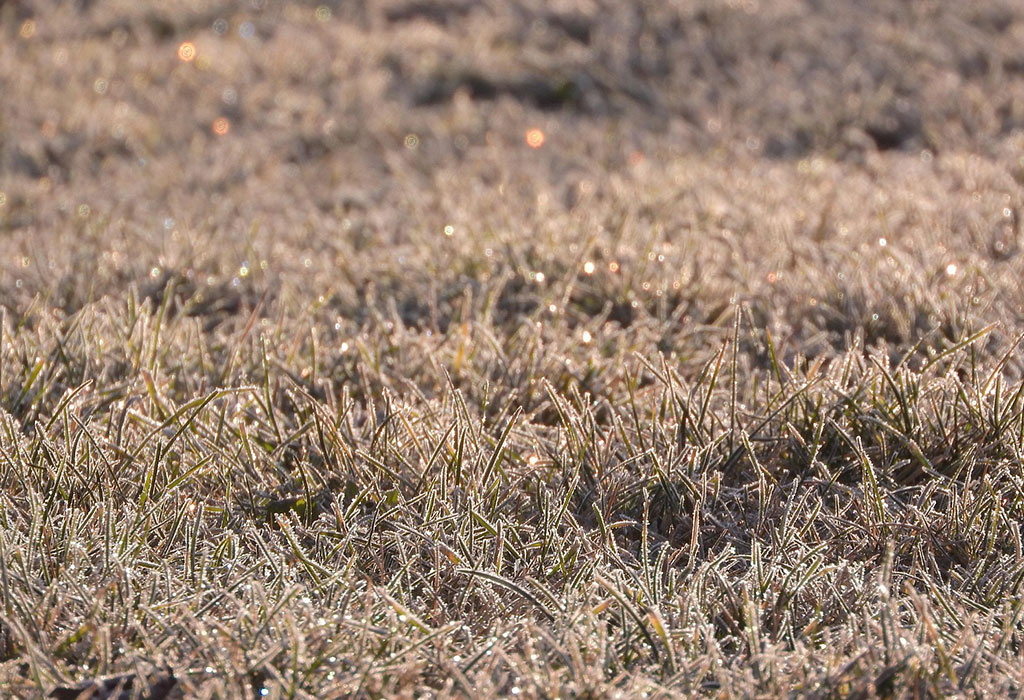
Cold-injured turf becomes biologically weaker, which creates an opening for pests that typically wouldn't cause problems in healthy lawns.
Common Post-Freeze Pest Issues
Freeze damage does not cause pests - but it removes turf's natural defenses, making infestations more likely and more severe.
Cold-injured turf is also more susceptible to disease once temperatures rise and moisture increases.
Common post-freeze disease risks include:
Applying fertilizer or excessive water too early can increase disease pressure, not reduce it.
Well-intended actions often make recovery worse.
Avoid:
Freeze-damaged turf needs time to stabilize before inputs are introduced.
Once temperatures normalize:
In many parts of Florida, meaningful recovery does not begin until consistent spring soil temperatures return.
A 20°F freeze can have effects that last well into spring and early summer:
Proactive monitoring after cold events helps prevent small problems from becoming seasonal setbacks.
Hard freezes are rare in Florida - but when they happen, the real impact often shows up later.
Understanding what turf goes through, resisting the urge to rush treatments, and watching for secondary pest and disease pressure allows lawns to recover stronger and more uniformly.
At Allegiance Landscaping, our post-freeze turf approach focuses on timing, observation, and measured response - protecting turf health not just for the next week, but for the entire growing season.
Destination: Excellence - even after a hard freeze.