
March 20, 2026
Landscaping plays a much larger role in community success than many HOA boards initially realize. Beyond aesthetics, a well-planned landscape directly influences property values, resident satisfaction, and long-term maintenance costs.
Across North Florida, communities are beginning to rethink traditional landscape approaches. Rising maintenance expenses, unpredictable weather patterns, and increased expectations from residents are pushing HOA boards to evaluate how their landscapes are designed and maintained.
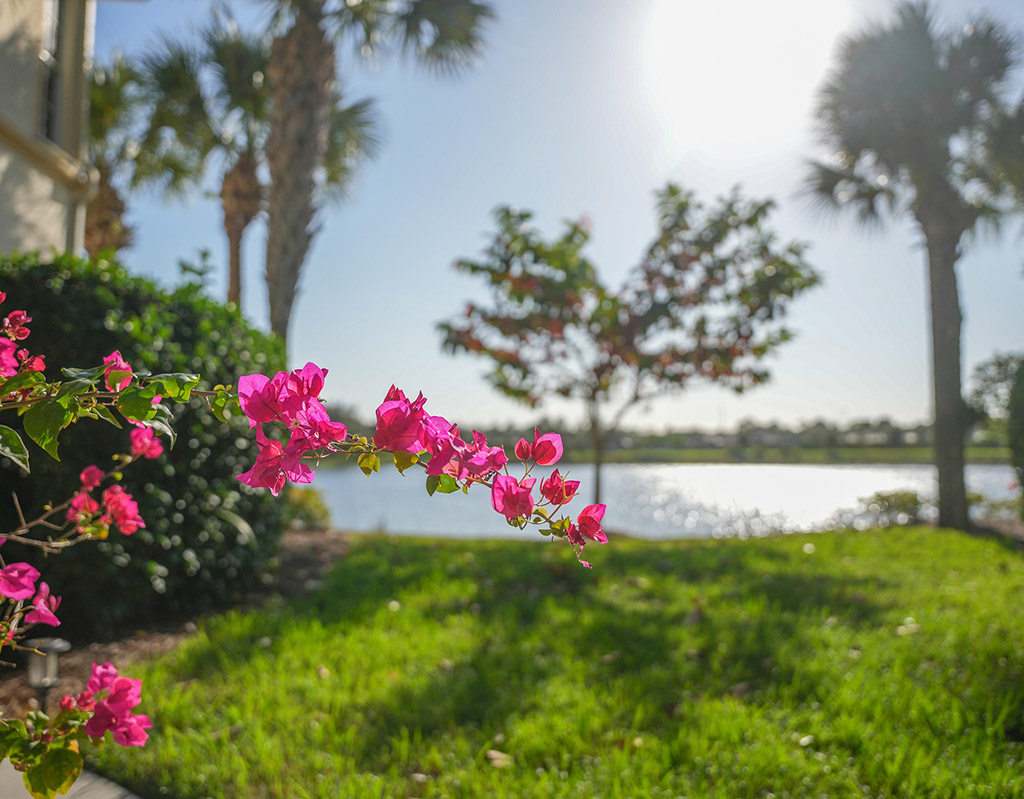
Communities that adapt early often discover that thoughtful improvements not only enhance curb appeal but also improve efficiency and long-term sustainability.
Here are several landscaping trends that are shaping how successful HOA communities are approaching landscape management in 2026.
One of the most noticeable shifts happening in community landscapes is the move toward plants that naturally thrive in Florida's environment.
For years, many landscapes relied heavily on ornamental plants that required constant irrigation, fertilizer, and replacement. While visually appealing at first, these installations often created long-term maintenance challenges.
Today, communities are beginning to prioritize plants that tolerate Florida's heat, rainfall patterns, and soil conditions.
Examples commonly used in North Florida landscapes include:
These plants are often better suited for the region and can provide year-round visual interest with significantly less intervention.
When plant material is selected correctly, communities often experience:
Over time, these improvements can lead to meaningful reductions in landscape maintenance costs while still maintaining an attractive appearance.
Another major trend is the move away from landscapes that require constant replanting or seasonal replacement.
Many communities are shifting toward structural planting designs, where landscapes are built around durable plants that maintain their form and beauty throughout the year.
This approach typically includes a layered design structure:
Foundation Layer
Evergreen shrubs provide structure and consistency throughout the year.
Texture Layer
Ornamental grasses and perennials add movement and seasonal variation.
Accent Layer
Feature plants or flowering shrubs provide visual highlights.
By combining these elements, landscapes remain visually engaging without requiring constant seasonal changes.
The result is a landscape that evolves naturally with the seasons rather than needing to be rebuilt several times each year.
Turfgrass remains an important part of many community landscapes, particularly in areas used for recreation or open space. However, many HOAs are reevaluating where turf is truly necessary.
Large turf areas can require frequent mowing, irrigation, fertilization, and pest management. When these spaces are installed in areas with little functional use, they can become expensive to maintain.
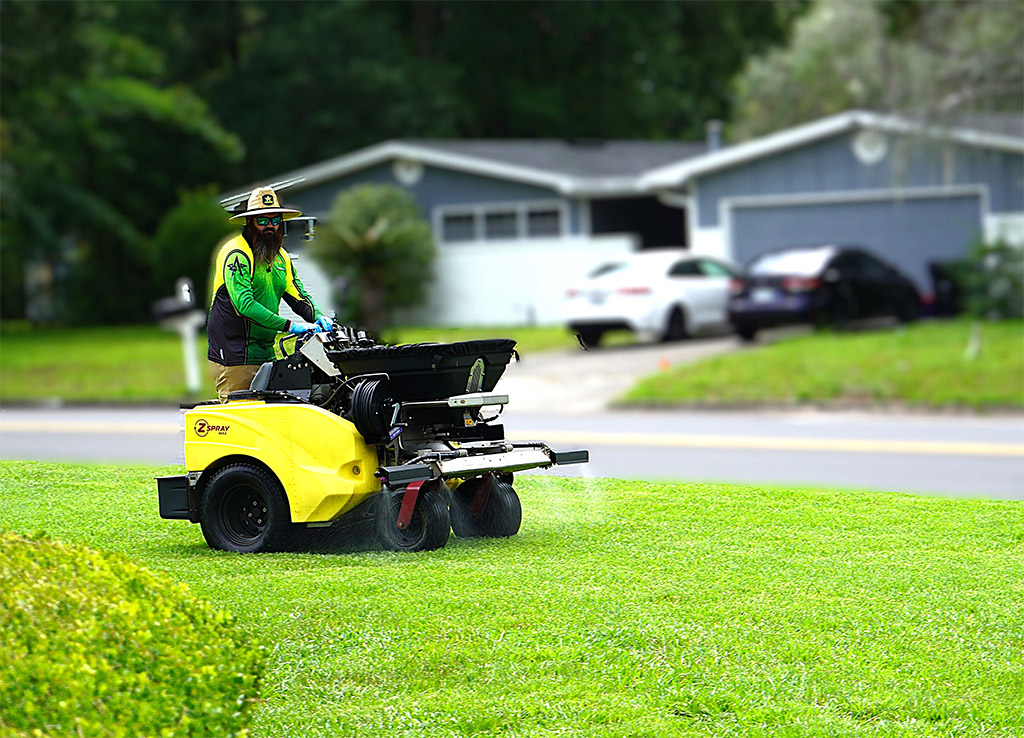
Communities are beginning to adopt more strategic turf planning.
Examples include:
These adjustments allow communities to maintain attractive landscapes while reducing unnecessary maintenance work.
Water management continues to be one of the most important components of landscape health in Florida.
Traditional irrigation systems often run on fixed schedules, which can lead to overwatering during rainy periods and underwatering during dry spells.
Newer irrigation technologies are allowing landscapes to be watered more intelligently.
These systems can adjust watering schedules based on conditions such as:
When irrigation systems are properly managed, landscapes remain healthier while reducing wasted water.
This also helps protect turf and plant material from common issues caused by excessive moisture, such as fungal diseases and root stress.
Landscaping is increasingly being viewed as part of the overall lifestyle experience within a community.
Rather than simply maintaining open green spaces, many HOAs are transforming common areas into functional outdoor environments.
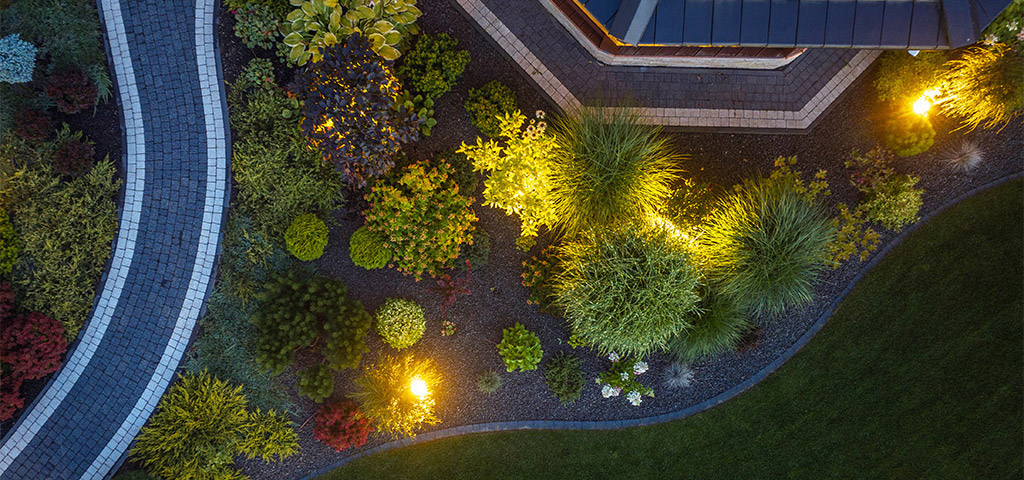
Examples include:
These features help transform landscapes from decorative elements into spaces residents actively enjoy.
Communities that invest in these types of improvements often find that their landscapes become a defining feature of the neighborhood.
In Florida, weather plays a significant role in landscape performance.
Communities are increasingly paying attention to how their landscapes respond to storms, heavy rainfall, and high winds.
Storm-resilient landscapes focus on:
By planning ahead, communities can reduce the amount of storm damage that occurs each season.
While no landscape can completely avoid storm impacts, thoughtful design can significantly reduce the risks.
Environmental awareness is becoming a key part of modern landscape management.
Many communities are incorporating practices that promote long-term soil health and reduce unnecessary chemical use.
Some common approaches include:
These practices not only benefit the environment but also support healthier plant growth and longer-lasting landscapes.
Technology is also beginning to influence how landscapes are managed.
Digital tools now allow landscape professionals to document property conditions, track service visits, and monitor irrigation performance.
Some communities receive regular landscape reports that include:
These systems provide transparency while helping HOA boards better understand where their landscape budget is being invested.
Landscaping decisions influence much more than appearance.
Well-designed landscapes can contribute to:
When communities take a proactive approach to landscape planning, they are often able to avoid the cycle of constant repairs and reactive maintenance.
Instead, their landscapes become long-term assets that continue to improve over time.
The landscaping trends emerging in 2026 highlight a clear shift toward smarter planning, durable plant selections, and thoughtful landscape management.
Communities that stay informed and adapt their landscape strategies early are often better positioned to protect both property values and maintenance budgets.
A successful landscape is not simply maintained - it is guided, refined, and improved year after year.
Destination: Excellence