
November 14, 2025
As Gainesville transitions into the cooler months, lawns slow, roots stay active, and the health of your soil quietly determines how your landscape will perform come spring. For commercial properties and HOA communities, November is the ideal time to evaluate, amend, and protect the foundation beneath the surface - the soil itself.
Healthy soil is the invisible force behind every thriving property. It drives plant growth, regulates water, reduces disease risk, and sustains the balance of your landscape ecosystem. When soil becomes compacted or depleted, even the most carefully maintained properties begin to struggle.
At Allegiance Landscaping, we treat soil health as a management system - not a side note - because excellence always begins from the ground up.
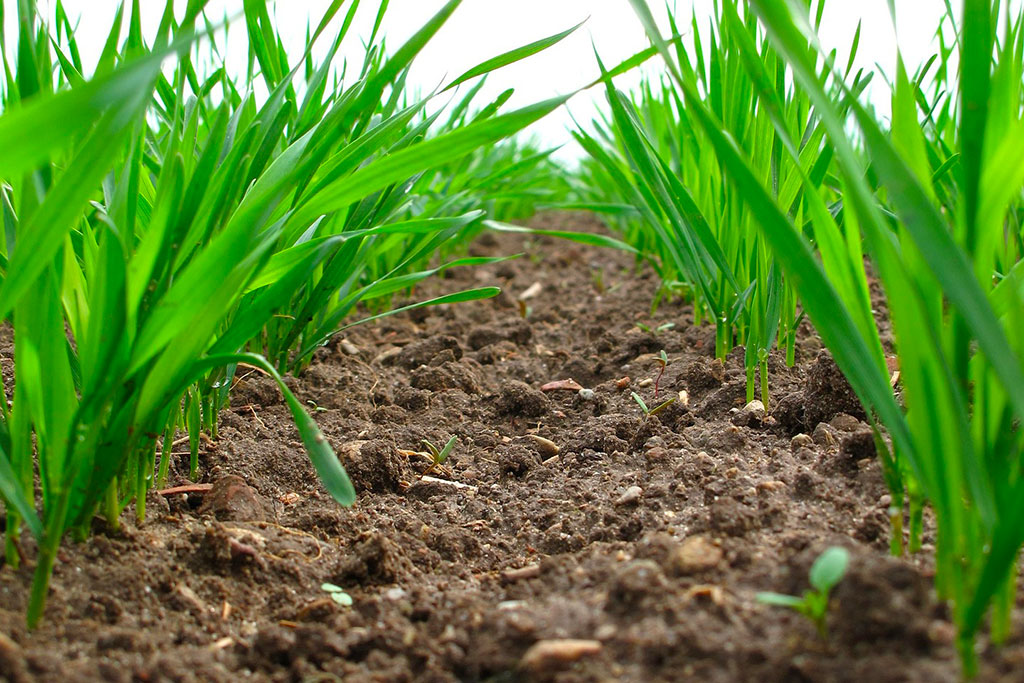
Healthy soil quietly manages three essential systems that determine the strength and beauty of every landscape:
When these systems fall out of balance, the effects are visible above ground - thinning turf, fading color, increased weed pressure, and higher irrigation costs.
North Florida's sandy, low-organic soils drain quickly and struggle to retain nutrients. In high- use areas like medians, entrances, and sidewalks, compaction compounds the issue, suffocating roots and limiting water movement.
Left unaddressed, this creates a cycle of costly replanting and chemical dependency. The fix isn't more fertilizer - it's restoring balance to the soil itself.
Compost, pine bark fines, or other organic amendments restore soil texture and moisture balance while feeding beneficial microbes. These microorganisms naturally convert organic material into nutrients, improving fertility and structure.
Allegiance integrates organic matter through scheduled mulch rotations and topdressing programs to strengthen root zones and reduce chemical dependence year-round.
Fertilization timing in Alachua County must align with both plant needs and environmental regulations. Applying nitrogen during the July–February blackout can harm turf roots and violate county ordinance. Instead, slow-release blends and micronutrients are applied during active growth periods when plants can actually utilize them.
Allegiance's Approach: Each property receives a customized nutrient plan backed by soil testing and data-driven adjustments — ensuring compliance, efficiency, and sustained plant health without waste.
Too much water suffocates roots; too little causes drought stress and shallow growth. Smart irrigation systems and monthly inspections ensure soil moisture remains stable, reducing compaction and preventing runoff.
Allegiance's irrigation management program uses sensor technology and precise scheduling to keep landscapes thriving while conserving water and protecting local aquifers.
Healthy soil teems with life - bacteria, fungi, and invertebrates that transform organic material into plant-available nutrients and naturally suppress disease. When soil is compacted or overtreated with chemicals, that living network collapses, leaving landscapes dependent on artificial fixes.
Our biological-first philosophy keeps soil ecosystems active through aeration, compost integration, and reduced chemical disturbance. The result is self-sustaining landscapes that perform better, cost less to maintain, and require fewer interventions over time.
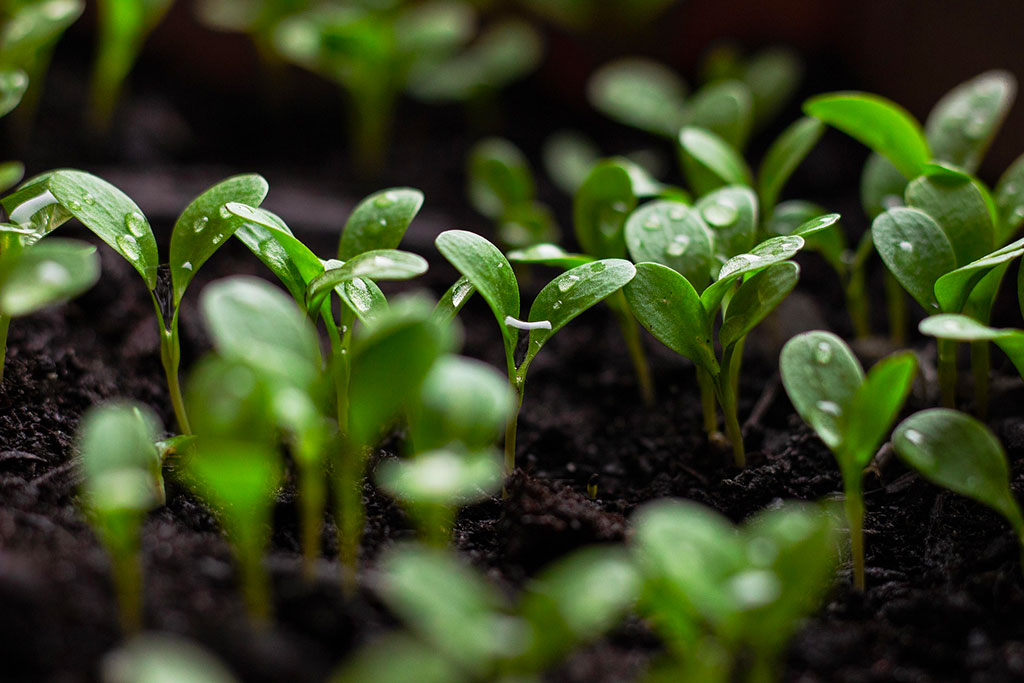
When soil health declines, property performance declines with it. The most common results include:
Restoring soil health after years of decline is significantly more expensive than maintaining it proactively. Investing in soil management now protects budgets, sustainability goals, and the community's long-term image.
Inconsistent maintenance can hide symptoms, but soil health tells the truth - it's the mirror of how a property is cared for.
At Allegiance Landscaping, we build landscapes that last because we protect what can't be seen. From Gainesville's sandy subsoils to its busiest commercial corridors, our programs strengthen the foundation that everything else depends on.
Because true landscape excellence doesn't start at the surface - it starts beneath it.
Destination: Excellence.