
May 22, 2026
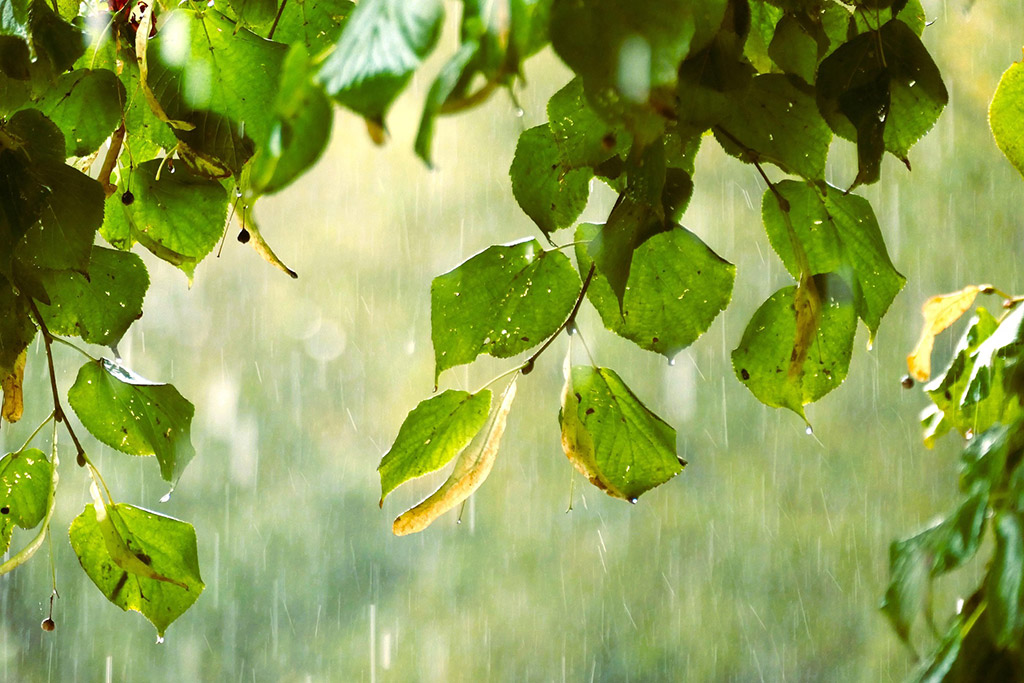
In Florida, one heavy afternoon storm can expose weaknesses across an entire property within minutes.
Overflowing drains, flooded turf areas, washed-out mulch beds, standing water near sidewalks, and erosion around retention systems are all common signs that a property's stormwater management system is struggling to keep up.
For commercial properties and managed communities throughout Alachua County, stormwater management is no longer just a construction concern - it is a long-term property management issue that directly affects:
Many drainage problems begin small and gradually worsen over time. What starts as minor standing water near a curb or low spot in turf can eventually lead to widespread landscape decline, hardscape failures, and costly repairs if not corrected properly.
The challenge is that Florida weather places enormous pressure on drainage systems for much of the year.
Florida landscapes operate under conditions that are very different from most parts of the country.
Properties throughout North Florida frequently deal with:
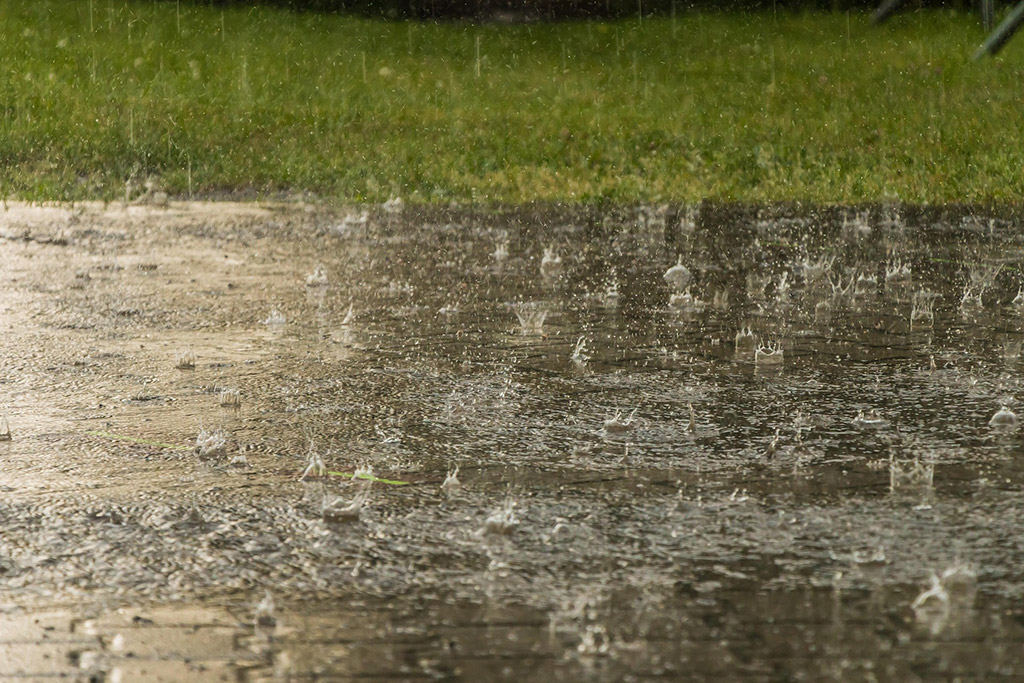
When significant rainfall occurs in a short period of time, water must move somewhere quickly. If drainage systems cannot handle the volume efficiently, water begins collecting in areas it should not.
For larger properties, the problem becomes magnified because of:
Even well-maintained landscapes can struggle if the underlying drainage infrastructure is not functioning properly.
Drainage issues are often underestimated because the visible symptoms may appear minor at first.
However, unresolved stormwater problems can create ongoing costs throughout the property.
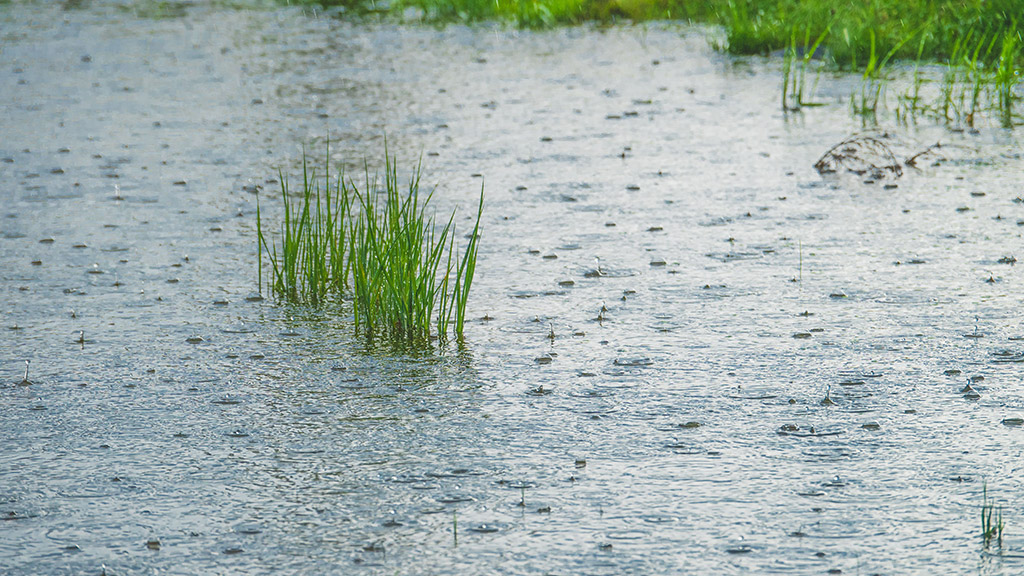
Grass roots require oxygen to survive. When water remains trapped in the soil for extended periods, root systems weaken and turf begins thinning or dying.
Soil ErosionFast-moving runoff can strip away topsoil, expose roots, destabilize slopes, and damage landscape beds.
Mulch WashoutsHeavy rain events can displace mulch repeatedly, creating ongoing cleanup and replacement expenses.
Mosquito & Pest PressureStanding water creates favorable breeding conditions for mosquitoes and contributes to unhealthy landscape conditions.
Hardscape DamagePersistent water intrusion can eventually impact sidewalks, curbing, retaining walls, and paved surfaces.
Slip & Fall LiabilityPooling water around sidewalks, entrances, and parking areas can create safety concerns for residents, customers, and visitors.
For property managers and maintenance teams, these problems rarely remain isolated. Drainage failures often affect multiple areas of the property simultaneously.
One of the most common mistakes properties make is repeatedly replacing damaged turf without addressing the drainage issue causing the damage.
Fresh sod installed over a poorly draining area often struggles for the exact same reasons the previous turf failed.
The real issue may involve:
Until the underlying issue is corrected, the cycle typically continues.
Successful drainage management requires solving the cause - not just treating the symptoms.
Every property is different, but several drainage strategies are commonly used throughout Florida commercial landscapes and managed communities.
French drains help redirect subsurface water away from problem areas before it rises to the surface.
These systems are commonly used near:
When installed properly, they can significantly reduce standing water issues.
Catch basins collect surface runoff and move water through underground piping systems toward designated discharge locations.
These systems are especially important around:
Routine inspection and cleaning are critical because debris buildup can dramatically reduce effectiveness.
Sometimes the issue is not the drain itself - it is the way water flows across the property.
Improper grading can cause water to:
Even small elevation inconsistencies can create significant drainage problems during heavy rain events.
Retention and detention areas play a major role in handling excess stormwater on larger properties.
If these areas become:
...the entire drainage system can become compromised during major storm events.
Regular inspections are essential, especially before peak summer rainfall season.
One of the biggest misconceptions in commercial landscaping is treating drainage and maintenance as completely separate systems.
In reality, they directly affect one another.
Healthy landscapes depend on proper water movement. Even the best mowing, fertilization, pruning, and bed maintenance programs can struggle if drainage conditions remain poor.
Proper drainage helps:
Long-term landscape success is much easier to achieve when water is being managed correctly.
As summer rainfall intensifies across Florida, properties should periodically evaluate:
Many drainage issues worsen gradually over time, making early intervention significantly less expensive than large-scale corrective work later.
At Allegiance Landscaping, drainage evaluations focus on identifying the source of recurring problems - not just masking visible symptoms temporarily.
For commercial properties and managed communities throughout Alachua County, our team evaluates:
Our goal is to help properties improve both functionality and appearance while reducing recurring maintenance frustrations caused by unmanaged water movement.
This proactive approach reflects one of our core company values:
Fix It Before It's a Problem.
Because in Florida landscapes, small drainage problems rarely stay small for long.
Stormwater management is one of the most important - and most overlooked - components of maintaining a healthy commercial landscape in Florida.
Every major storm tests how well a property manages water.
Properties that proactively evaluate and improve drainage systems are often better positioned to:
For property managers and ownership groups, stormwater management should not be viewed as a reactive repair issue. It should be treated as part of the long-term strategy for protecting the property as a whole.