
May 29, 2026
In Florida landscapes, mulch is not just decorative - it is one of the hardest-working components in the entire landscape system.
When installed properly, mulch helps regulate soil temperatures, retain moisture, suppress weeds, reduce erosion, and protect root systems from extreme weather conditions. But when mulch is installed incorrectly, overwatered, or neglected over time, it can quietly contribute to declining plant health, fungal pressure, and unnecessary replacement costs.
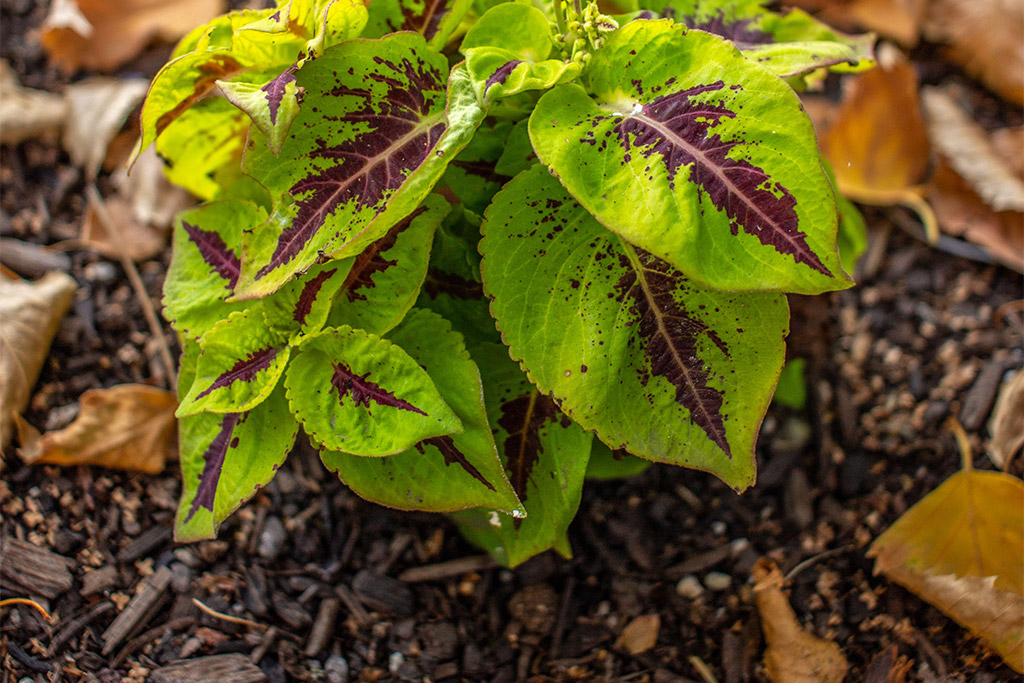
Across North Florida, many landscape issues begin below the surface long before they become visible above ground. By the time shrubs begin thinning, annuals decline, or turf edges start collapsing around landscape beds, the root zone has often been stressed for weeks or even months.
For commercial properties and managed communities throughout Alachua County, proper mulch management is one of the simplest ways to improve long-term landscape performance while reducing avoidable stress during Florida's extreme weather cycles.
Florida landscapes deal with constant environmental pressure.
One week may bring intense heat and dry conditions capable of pulling moisture out of planting beds rapidly. The next week may bring several inches of rain across consecutive summer afternoons.
That constant swing between saturation and drought creates stress on:
Without mulch, soil surfaces dry out much faster under direct sunlight. In sandy North Florida soils, moisture can disappear surprisingly quickly even when irrigation systems are functioning properly.
On the opposite end, excessive moisture combined with poor airflow can create ideal conditions for:
Proper mulch acts as a protective buffer between Florida's harsh environmental conditions and the root systems below.
Not all mulch products handle Florida weather equally.
Some materials compact too heavily, trap excessive moisture, or break down so quickly that they lose effectiveness within months. Others create airflow problems that contribute to fungal pressure during humid summer conditions.
For many North Florida landscapes, organic mulch products such as:
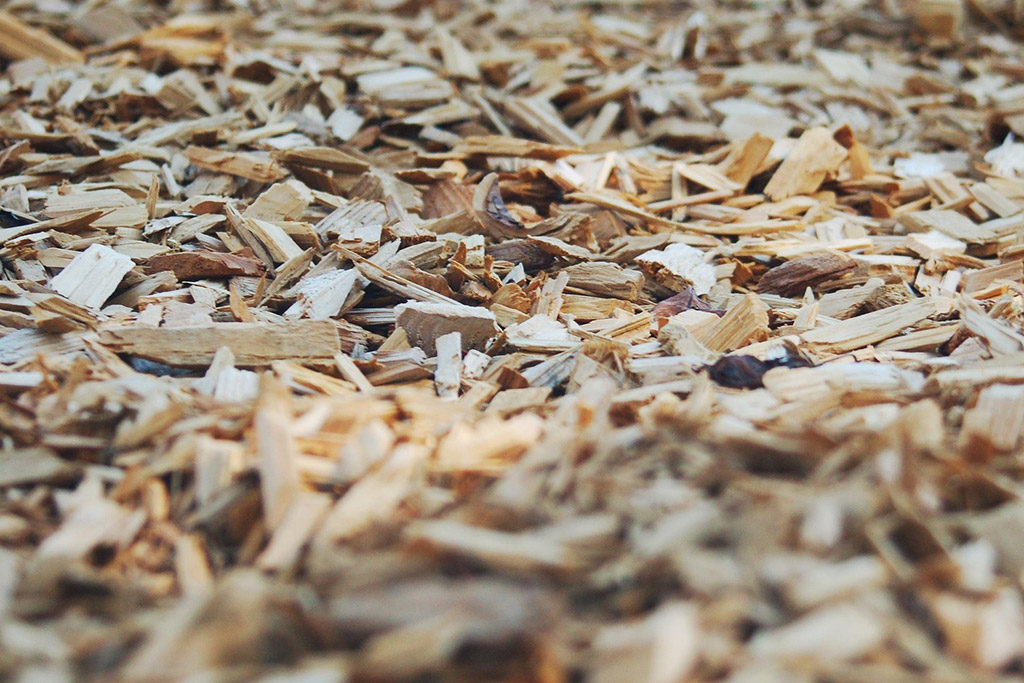
...often perform well because they provide a balance of:
Pine bark mulch, in particular, tends to perform well throughout many commercial landscapes because it allows water penetration while still helping stabilize soil temperatures.
One issue commonly seen throughout Florida properties is mulch becoming heavily compacted after repeated rain events. Once mulch mats together too tightly, water may begin running across the surface instead of soaking evenly into the soil below.
That is often when irrigation problems and fungal pressure begin quietly developing underneath the bed surface.
One of the most common mistakes in commercial landscapes is excessive mulch depth.
Freshly installed thick mulch beds may look visually appealing at first, but too much material can create serious long-term problems around root systems.
Over-mulched beds may:
For most Florida planting beds, approximately 2–3 inches of mulch is typically sufficient.
That depth usually provides:
In many cases, landscape beds struggling with fungal pressure are not actually suffering from a lack of water - they are suffering from too much trapped moisture combined with poor airflow.
That distinction matters.
"Volcano mulching" remains one of the most damaging practices still commonly seen throughout Florida landscapes.
This occurs when mulch is piled directly against:
While it may appear cleaner visually, it traps moisture against sensitive plant tissue continuously.
Over time, this may contribute to:
In Florida's humid climate, constant moisture against trunks and stems rarely ends well long term.
Mulch should instead be pulled slightly away from the base of plants to allow:
Even a small visible gap around trunks can make a major difference over time.
Many properties install mulch and then largely ignore it until the next refresh cycle.
But mulch changes constantly under Florida conditions.
Heavy rainfall, irrigation cycles, UV exposure, and decomposition gradually alter:
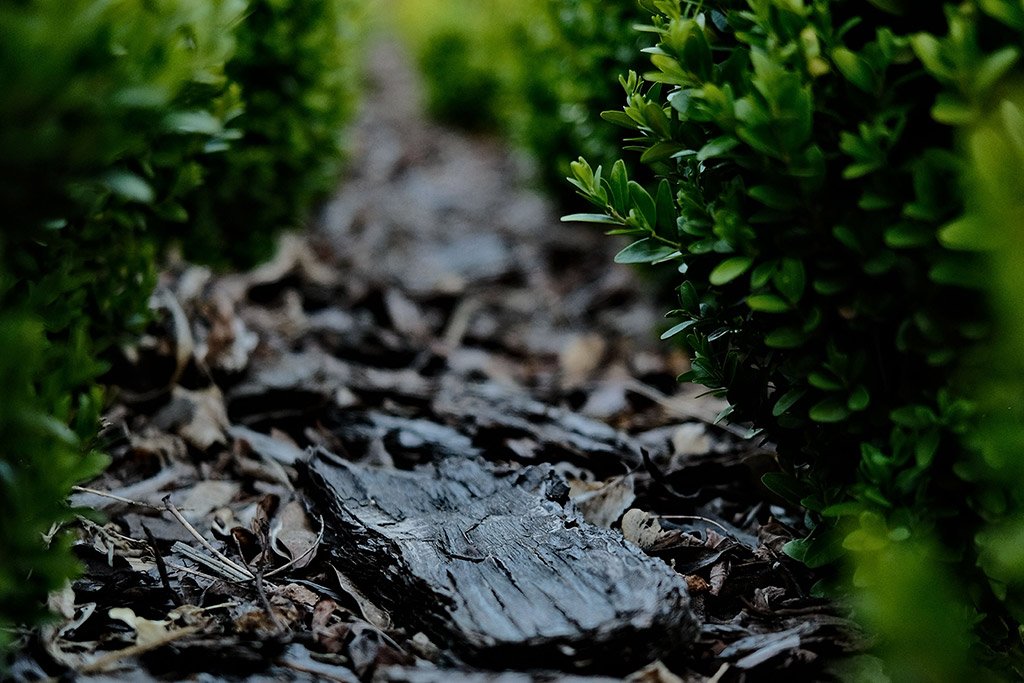
On larger commercial properties, we often see mulch begin washing toward curbs and sidewalks after repeated summer storms, especially in areas where drainage or grading issues already exist.
Before applying new mulch, existing beds should typically be:
Layering fresh mulch repeatedly over compacted lower layers can create overly saturated conditions near the soil surface.
That is one reason many fungal issues first appear in heavily mulched, poorly ventilated beds.
Routine inspections also help identify:
One of the biggest misconceptions in landscaping is assuming mulch alone solves moisture problems.
In reality, mulch and irrigation must work together correctly.
Overwatering heavily mulched beds is extremely common throughout Florida landscapes, especially during rainy summer periods when irrigation schedules are not adjusted properly.
Many disease issues blamed on "bad plants" are actually moisture-management problems.
Common warning signs include:
Efficient watering practices generally focus on:
If mulch is still damp well into the afternoon regularly, the bed may already be holding too much moisture.
Mulch is one of the few landscape materials that actively supports nearly every layer of the property simultaneously.
When managed correctly, mulch helps:
For managed properties, that often translates into:
Proper mulch management is not just cosmetic - it is preventative landscape management.
At Allegiance Landscaping, mulch recommendations are based on:
Because every property behaves differently under Florida conditions, mulch strategies should be tailored to the site rather than treated as one-size-fits-all.
Our team focuses on helping landscapes remain both visually clean and biologically healthy throughout the year - especially during Florida's extreme seasonal swings.
This proactive approach reflects one of our core company values:
Fix It Before It's a Problem.
Because many landscape failures begin below the surface long before visible decline appears above ground.
In Florida landscapes, mulch is not simply decorative ground cover.
It is one of the most important tools available for:
When paired with proper irrigation practices and routine inspections, mulch helps landscapes remain healthier, more resilient, and better prepared for Florida's demanding climate conditions year-round.
And in many cases, the difference between a struggling landscape and a thriving one starts with how well the soil below is being protected.