
July 10, 2026
Most landscape problems do not happen overnight.
They build slowly.
At first, it may look like a few struggling shrubs near an entrance. Then certain turf areas stop recovering properly. A bed begins washing out after storms. Irrigation adjustments become more frequent. Pruning cycles become heavier every season.
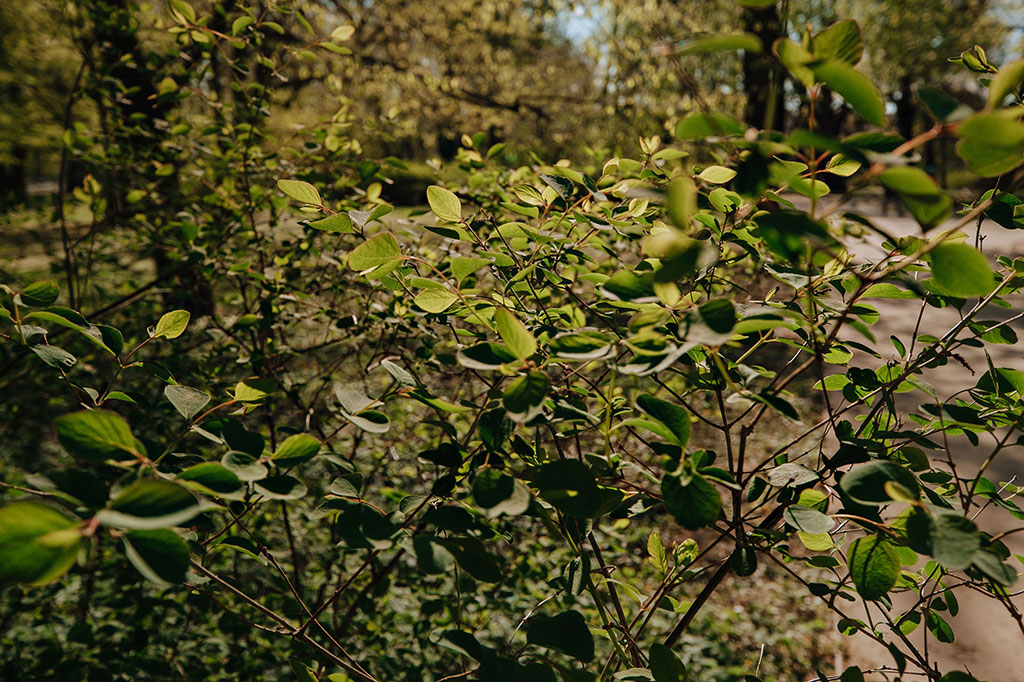
Over time, the landscape starts demanding more labor, more replacements, more corrections, and more reactive maintenance just to maintain the same appearance level.
In many cases, the issue is not poor maintenance.
The issue is that the landscape was never designed around how the property actually functions long term.
Across North Florida, many landscapes are initially installed around:
Several years later, the property often begins experiencing:
Because in Florida, landscapes are not static.
They are constantly reacting to weather, moisture, root growth, sunlight, drainage patterns, and seasonal stress.
The strongest landscapes are usually the ones planned around those realities from the beginning.
One of the most common issues on older properties is plant material installed too tightly together for immediate appearance.
At installation, everything looks lush and complete.
A few years later:
In Florida's humid environment, overcrowded beds can also increase:
We commonly see landscapes where plants are technically alive - but constantly stressed because the space around them no longer supports healthy growth.
That creates a landscape that always feels like it is being "managed back" instead of naturally thriving.
One of the most overlooked causes of landscape decline in Florida is inconsistent water movement across the property.
Many landscapes struggle not because they lack irrigation, but because moisture is distributed unevenly.
On some properties:
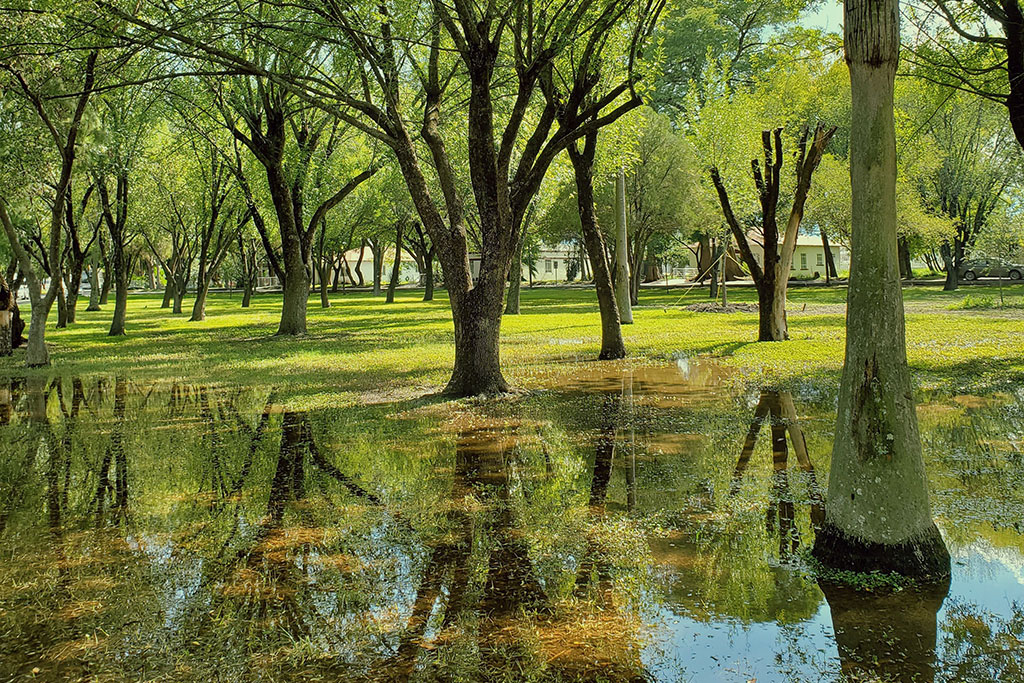
Over time, these conditions can quietly weaken:
In North Florida, even small elevation changes can dramatically affect how water behaves during heavy summer rainfall.
And once drainage issues begin, the symptoms usually spread gradually:
That is why healthy landscapes are rarely just about irrigation alone.
They depend on proper drainage, grading, and moisture balance working together.
A common mistake in landscape renovations is treating recurring problems as isolated issues instead of looking at the property as one connected system.
For example:
Those situations often lead to repeated rework and unnecessary long-term expense.
On many commercial properties, we frequently see:
The landscape may still look attractive initially.
But underneath, the system is slowly becoming harder and more expensive to maintain every year.
One of the clearest differences between average landscapes and high-performing landscapes is cohesion.
Strong landscapes usually feel connected from one area of the property to the next.
The plant selections make sense together.
The spacing feels balanced.
The irrigation supports the layout properly.
The property flows naturally.
On many properties where improvements were added randomly over time, the landscape may begin feeling:
That is often because different areas were upgraded separately without a larger long-term strategy guiding the overall direction of the property.
A landscape does not necessarily need to be elaborate to feel professionally designed.
But it does need consistency.
One of the biggest misconceptions in landscaping is assuming planning costs more.
In reality, reactive corrections are often far more expensive long term.
Repeatedly replacing:
...can quietly cost properties thousands over time without ever truly solving the original issue.
Strong planning helps properties:
Sometimes the smartest investment is not adding more landscaping.
It is correcting the systems underneath the landscape first.
Many landscape concepts that perform well in other regions struggle under Florida conditions long term.
North Florida landscapes must continuously handle:
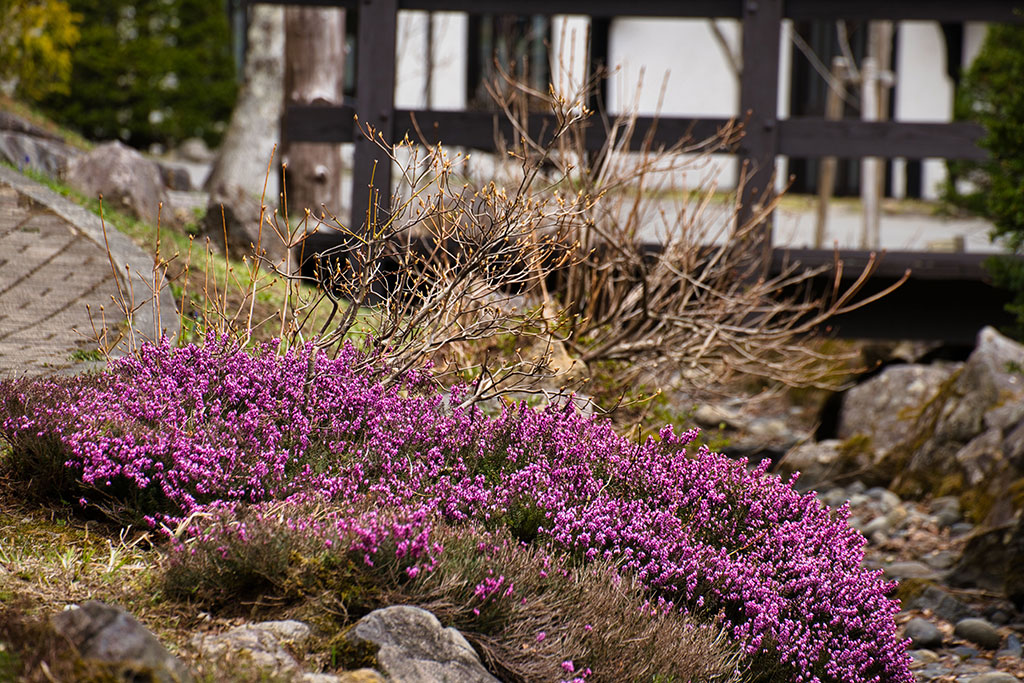
Plant material that appears manageable during installation can quickly become oversized, stressed, or maintenance-heavy if the site conditions are not evaluated properly.
That is why successful Florida landscapes usually prioritize:
The goal is not simply creating a landscape that photographs well during installation week.
It is creating one that still performs years later.
Many properties begin showing subtle warning signs before major decline becomes obvious.
Common indicators include:
These are often signs the landscape itself may no longer be functioning efficiently under the site conditions surrounding it.
And small inefficiencies usually become larger maintenance burdens over time.
At Allegiance Landscaping, landscape recommendations are approached from both an appearance and functionality perspective.
For commercial properties and managed communities throughout Alachua County, our team evaluates:
Our goal is not simply helping properties look cleaner immediately after installation.
It is helping landscapes remain healthier, more functional, and easier to manage long term under Florida conditions.
This proactive approach reflects one of our core company values:
Fix It Before It's a Problem.
Because many recurring landscape frustrations are often signs that the property needs a more sustainable long-term strategy - not just another temporary cosmetic correction.
The strongest Florida landscapes are rarely the ones with the most plants or the most expensive installations.
They are usually the ones designed around:
When those elements work together correctly, landscapes often become:
Because ultimately, a landscape that constantly needs correcting is usually trying to tell the property something long before major failure becomes visible.