
August 7, 2026
For years, many Florida privacy landscapes followed the same formula:
Plant a fast-growing row of evergreen trees as tightly as possible and let them create a solid wall of screening.
At first, the results often looked impressive.
The property felt secluded quickly.
Neighboring views disappeared.
The landscape looked full almost immediately.
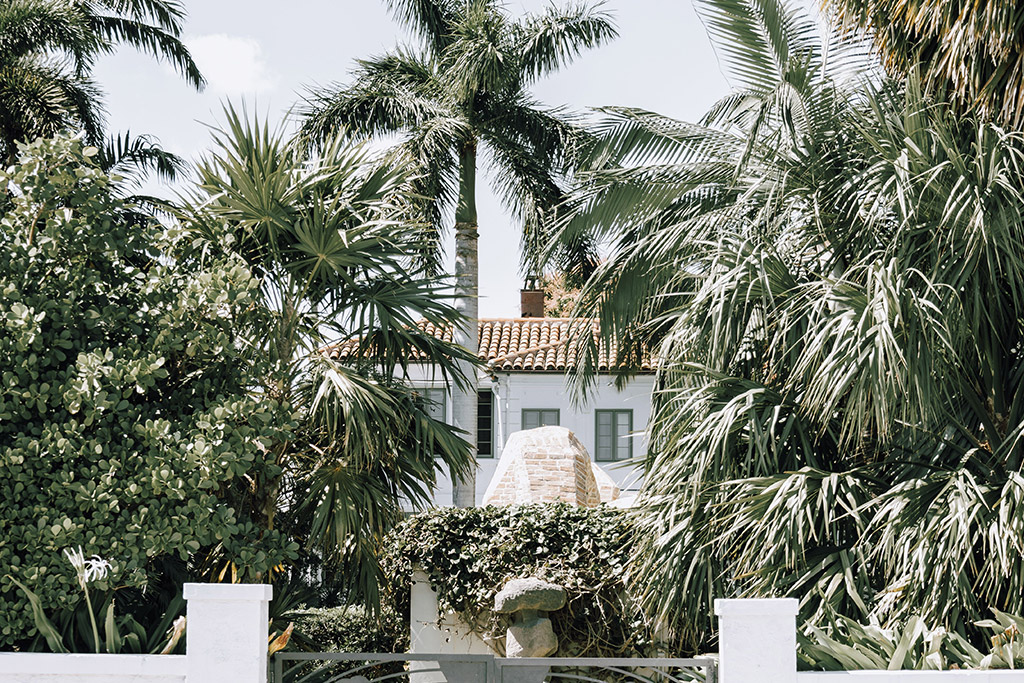
Then Florida's climate slowly started exposing the weaknesses.
A few wet summers later, airflow began decreasing through the canopy. Lower branches started thinning. Storm damage became more common. Some rows became so dense they trapped humidity and darkened the surrounding outdoor space.
In many Gainesville landscapes, what originally felt private eventually began feeling:
That shift is one reason many Florida properties are beginning to move away from rigid "privacy walls" and toward softer layered screening approaches that feel more natural under Florida conditions long term.
Because in Florida, outdoor spaces are meant to breathe.
One of the most common long-term landscape problems we encounter throughout Gainesville and Alachua County is over-screening.
Many properties attempt to create complete visual blockage immediately without considering:
At installation, tightly planted screening rows often look lush and effective.
But Florida landscapes grow aggressively.
A few years later, those same plantings may begin:
This is especially common after prolonged rainy seasons where limited airflow allows humidity to remain trapped inside heavily packed screening rows.
And around pools, patios, and outdoor living spaces, dense screening can sometimes make the environment feel significantly hotter and more stagnant than intended.
The goal of a Florida privacy landscape should not always be complete visual blockage.
Often, the better solution is creating separation while still preserving openness, airflow, and a connection to the outdoor environment itself.
One noticeable trend in higher-end Florida landscapes is the shift toward layered screening instead of single-species rows.
Rather than relying on one oversized hedge or tree line to solve every privacy concern, stronger landscapes often combine:
This creates a much softer and more breathable outdoor experience.
Especially throughout Gainesville where mature live oaks already create substantial canopy structure, softer screening often feels more appropriate than rigid evergreen barriers.
The landscape remains private - but still feels open enough to enjoy.
That distinction matters heavily in Florida outdoor living environments.
For properties wanting quicker screening without the heaviness of dense evergreen walls, wax myrtle often creates one of the most comfortable long-term solutions.
Unlike tightly structured conifer rows, wax myrtle tends to feel:
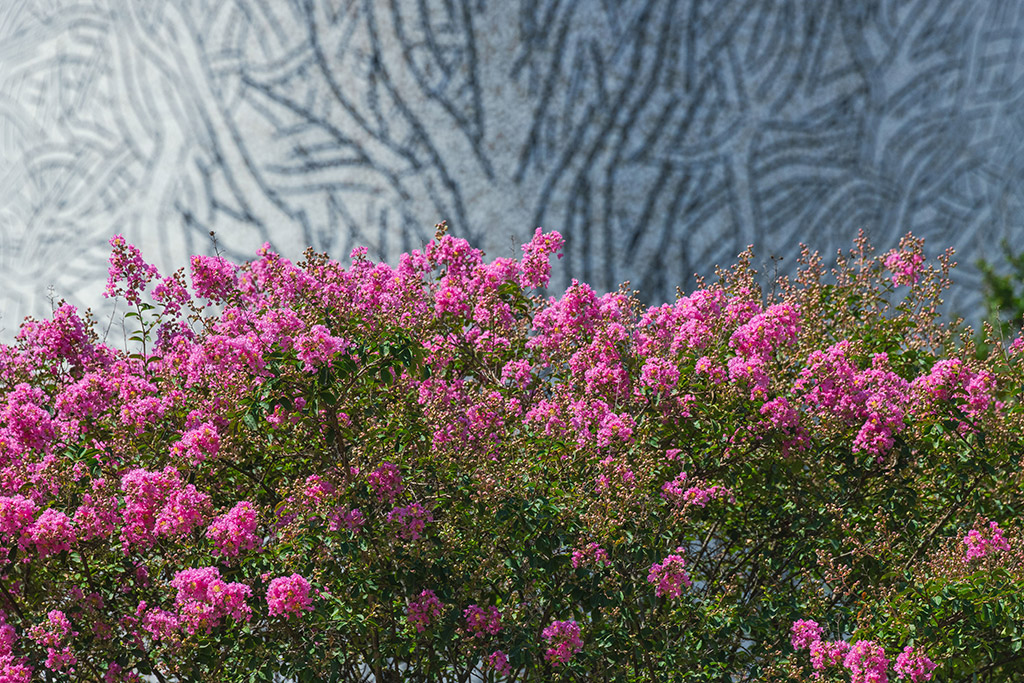
Its natural growth habit works especially well:
And because wax myrtle evolved under Florida conditions naturally, it generally handles:
...far more comfortably than many imported screening trees.
In breezy conditions, the lighter foliage movement also helps the landscape feel more open and alive instead of static and boxed in.
For properties wanting a more traditional evergreen appearance, Southern Red Cedar usually provides a far more durable long-term option than many aggressively fast-growing privacy trees.
One major difference is environmental compatibility.
Southern Red Cedar already understands:
That often allows it to age more gracefully under North Central Florida conditions.
We frequently see older Leyland cypress rows throughout Gainesville where:
Properly spaced Southern Red Cedars generally maintain:
Spacing still matters heavily though.
One of the biggest mistakes in Florida privacy design is planting for immediate fullness instead of mature canopy health years later.
Many Gainesville properties deal with:
Yaupon holly handles those conditions exceptionally well once established.
That adaptability is one reason it has become increasingly valuable for:
Unlike oversized privacy walls that eventually dominate the space around them, yaupon often integrates more naturally into:
Its smaller leaves and lighter texture also help preserve a more breathable outdoor feel.
And in Gainesville landscapes where heavy humidity already creates dense environmental conditions, that openness becomes an important design advantage.
One thing many Florida landscapes are beginning to move away from is harsh visual separation.
Instead of completely shutting outdoor spaces off, many properties now prefer softer screening that still allows:
Walter's viburnum works extremely well for this.
Its layered growth habit creates privacy gradually instead of forming a rigid wall immediately.
That softer transition often feels much more appropriate around:
Dense privacy rows may solve visibility concerns quickly.
But they can also remove much of the natural openness that makes Florida outdoor spaces enjoyable in the first place.
Some privacy landscapes become so focused on blocking views that they forget how the environment itself should feel.
Sweetbay magnolia creates a completely different experience.
Instead of dense visual blockage, it creates:
This tree works especially well around:
In many cases, the best privacy landscape is not the one hiding everything completely.
It is the one creating enough separation to make the outdoor space feel calm without disconnecting it from the Florida environment surrounding it.
One of the biggest advantages of sabal palms is vertical structure.
Instead of creating dense horizontal blockage, they provide:
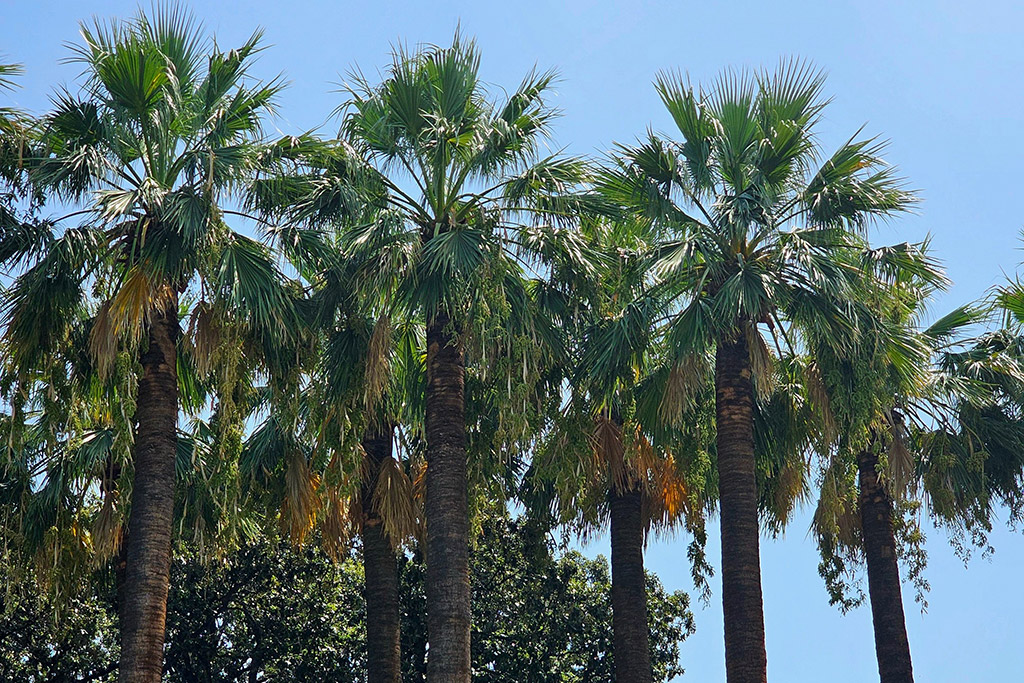
That is especially valuable in Florida where outdoor spaces benefit heavily from:
We commonly see Gainesville properties where oversized privacy rows eventually make patios and pools feel enclosed and stagnant.
Sabal palms often help solve that by creating privacy in layers rather than walls.
Combined with:
they help landscapes feel much more connected to Florida's natural character.
One of the biggest long-term advantages of native and Florida-adapted screening plants is how naturally they mature under Florida conditions.
That does not mean they are maintenance-free.
But many experience:
Especially throughout Gainesville where:
...place constant pressure on landscape performance.
The strongest privacy landscapes are usually the ones that become more attractive as they mature instead of requiring constant correction as they grow.
At Allegiance Landscaping, privacy screening recommendations are approached from both an environmental and long-term functionality perspective.
For Gainesville and Alachua County properties, our team evaluates:
Our goal is to help properties create screening that still feels:
This proactive approach reflects one of our core company values:
Fix It Before It's a Problem.
Because many privacy issues begin when landscapes are designed for immediate blockage instead of long-term outdoor comfort.
The best Florida privacy landscapes rarely feel like barriers placed against the outdoors.
Instead, they feel like natural extensions of the environment itself:
When screening is approached that way, landscapes often become:
Because ultimately, privacy works best in Florida when the landscape still feels open enough to enjoy the outdoors around it.