
July 17, 2026
One of the most common frustrations we hear throughout Gainesville and Alachua County is:
"We already treated the weeds... so why are they coming back again?"
At first, the lawn may look noticeably cleaner. Problem areas fade out. The turf appears healthier for a few weeks.
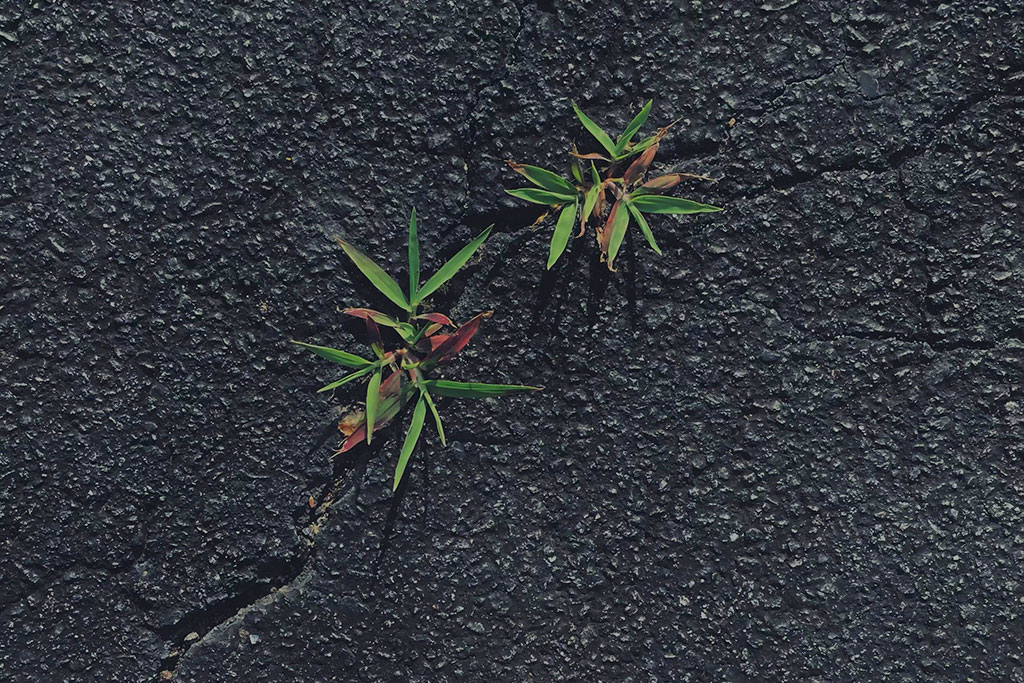
Then slowly, the same weeds begin creeping back into the property:
In most cases, recurring weed pressure is not caused by a weak treatment.
It is caused by underlying lawn stress that was never fully corrected in the first place.
Because in Gainesville landscapes, weeds rarely appear randomly.
They usually show up where the turf is already struggling.
North Central Florida creates a unique set of growing conditions.
Gainesville lawns often experience:
During summer, properties may receive several inches of rainfall in only a few days. Then just as quickly, conditions may swing back into intense heat and drying stress.
Those fluctuations create constant pressure on turf systems throughout the year.
And once turf begins weakening, weeds usually move in fast.
We commonly see recurring weed pressure develop in:
The weeds themselves are often reacting to environmental stress the turf can no longer compete against effectively.
Healthy turf acts like a protective blanket across the soil surface.
Dense grass naturally blocks:
But once the turf canopy begins opening up, weed pressure typically increases quickly.
In Gainesville, this commonly happens after:
Even small thinning areas can become entry points for:
And once weeds establish themselves in weakened turf, they often spread faster than many property owners expect.
One of the most overlooked causes of recurring weeds in Gainesville landscapes is improper irrigation.
We frequently see properties where:
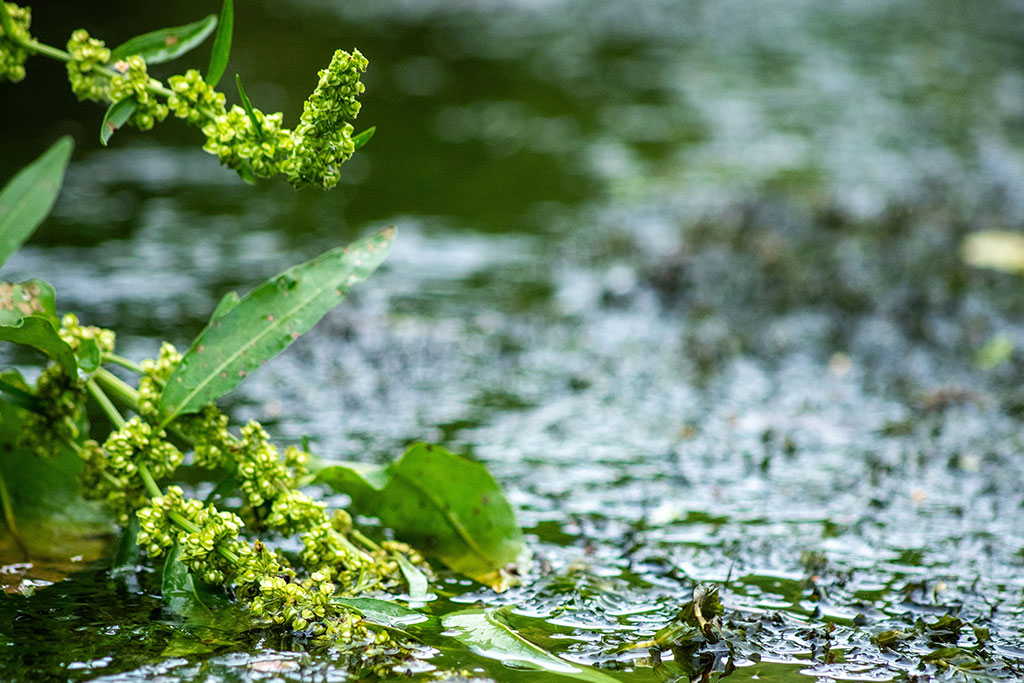
That environment becomes ideal for moisture-loving weeds.
In many cases, weeds like:
...are often signaling excessive moisture conditions underneath the surface.
On the opposite side, underwatered areas may thin out from drought stress, creating additional openings for weeds to establish.
That is why strong weed management is usually tied directly to:
Without those systems working together properly, weed pressure often returns repeatedly no matter how many treatments are applied.
One of the biggest misconceptions in weed control is assuming stronger products automatically create better results.
In reality, timing is often far more important.
Many preventative weed programs rely heavily on seasonal timing because different weeds become active at different soil temperatures throughout the year.
In Gainesville, soil temperatures can rise quickly during late winter and early spring depending on rainfall, sunlight, and weather patterns.
That timing affects when:
If preventative treatments are applied:
...the protection window may weaken before peak weed pressure fully arrives.
That is one reason long-term weed control usually requires year-round consistency rather than isolated applications only when weeds become visible.
One of the fastest ways to weaken Florida turf is mowing too aggressively.
We commonly see lawns throughout Gainesville stressed by:
Scalped turf exposes more sunlight directly to the soil surface.
That extra light creates ideal conditions for weed germination.
Healthy St. Augustine lawns maintained at proper height generally:
The turf itself becomes part of the defense system.
And in many cases, improving mowing practices alone can significantly reduce recurring weed pressure over time.
One thing that makes Gainesville landscapes unique is the amount of mature canopy coverage throughout many neighborhoods and commercial properties.
Large live oaks and mature shade trees create beautiful landscapes - but they also create:
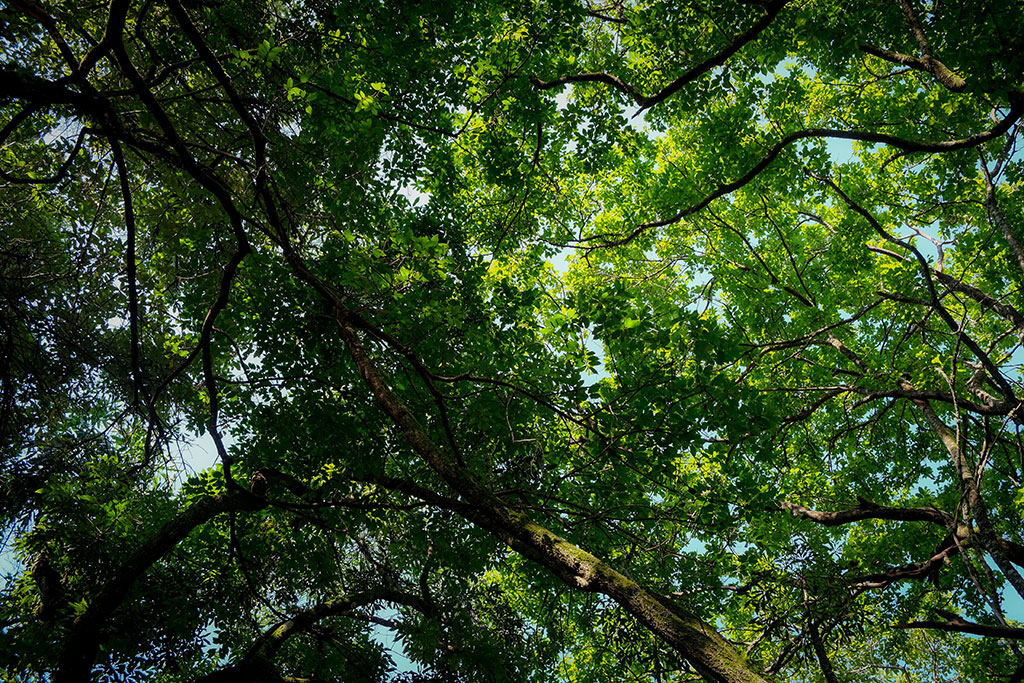
In shaded environments, turf naturally becomes thinner and more vulnerable to:
We commonly see recurring weed issues near:
These areas often require different irrigation, mowing, and turf strategies than full-sun portions of the property.
Treating the entire lawn identically rarely works long term.
One isolated treatment may temporarily clean up visible weeds.
But long-term weed suppression usually depends on the lawn itself becoming healthier and more competitive over time.
Strong Gainesville turf programs often focus on:
When turf becomes healthier overall, weed pressure often decreases naturally because the lawn begins reclaiming space weeds previously occupied.
The goal is not simply killing weeds.
It is strengthening the landscape enough that weeds struggle to return aggressively.
Many properties begin showing warning signs before major weed outbreaks fully develop.
Common indicators include:
In many cases, these are signs the lawn itself is already under environmental stress.
And weeds are often simply taking advantage of those weakened areas.
At Allegiance Landscaping, weed management is approached as part of the overall turf health strategy - not just isolated spray treatments.
For commercial properties and managed communities throughout Gainesville and Alachua County, our team evaluates:
Our goal is to help properties build healthier, thicker turf that naturally competes more effectively against long-term weed pressure.
This proactive mindset reflects one of our core company values:
Fix It Before It's a Problem.
Because in many Florida landscapes, recurring weeds are often one of the first visible signs that the turf itself is already under stress long before major decline becomes obvious.
In Gainesville landscapes, long-term weed control is rarely achieved through one aggressive treatment alone.
The strongest lawns are usually built through:
When those systems function properly together, lawns often become:
Because ultimately, weeds tend to thrive where the lawn itself no longer has the strength to compete effectively.